




Building a Shoe Wardrobe: The Ultimate Guide to Curating Your Footwear Collection
Assessing Your Lifestyle and Needs
Before you start building a shoe wardrobe, take a moment to evaluate your daily activities and personal style. Consider factors such as your work environment, social events, hobbies, and climate. For example, if you work in a formal office, you'll need dress shoes like oxfords or loafers. For casual outings, sneakers or flats might be essential. Don't forget about seasonal needs—boots for winter and sandals for summer. By identifying these key areas, you can prioritize purchases and avoid unnecessary clutter.
Investing in Core Essentials
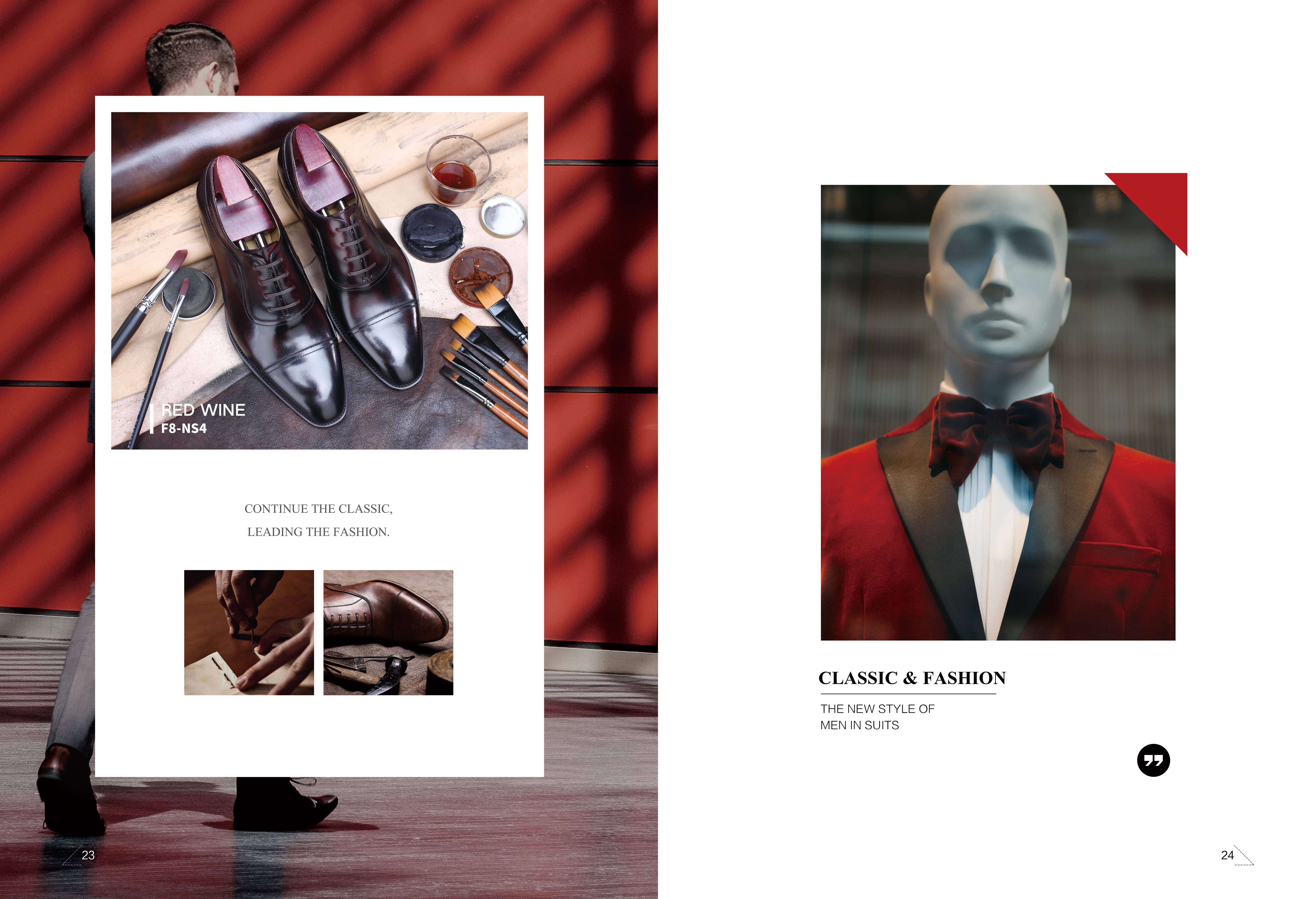
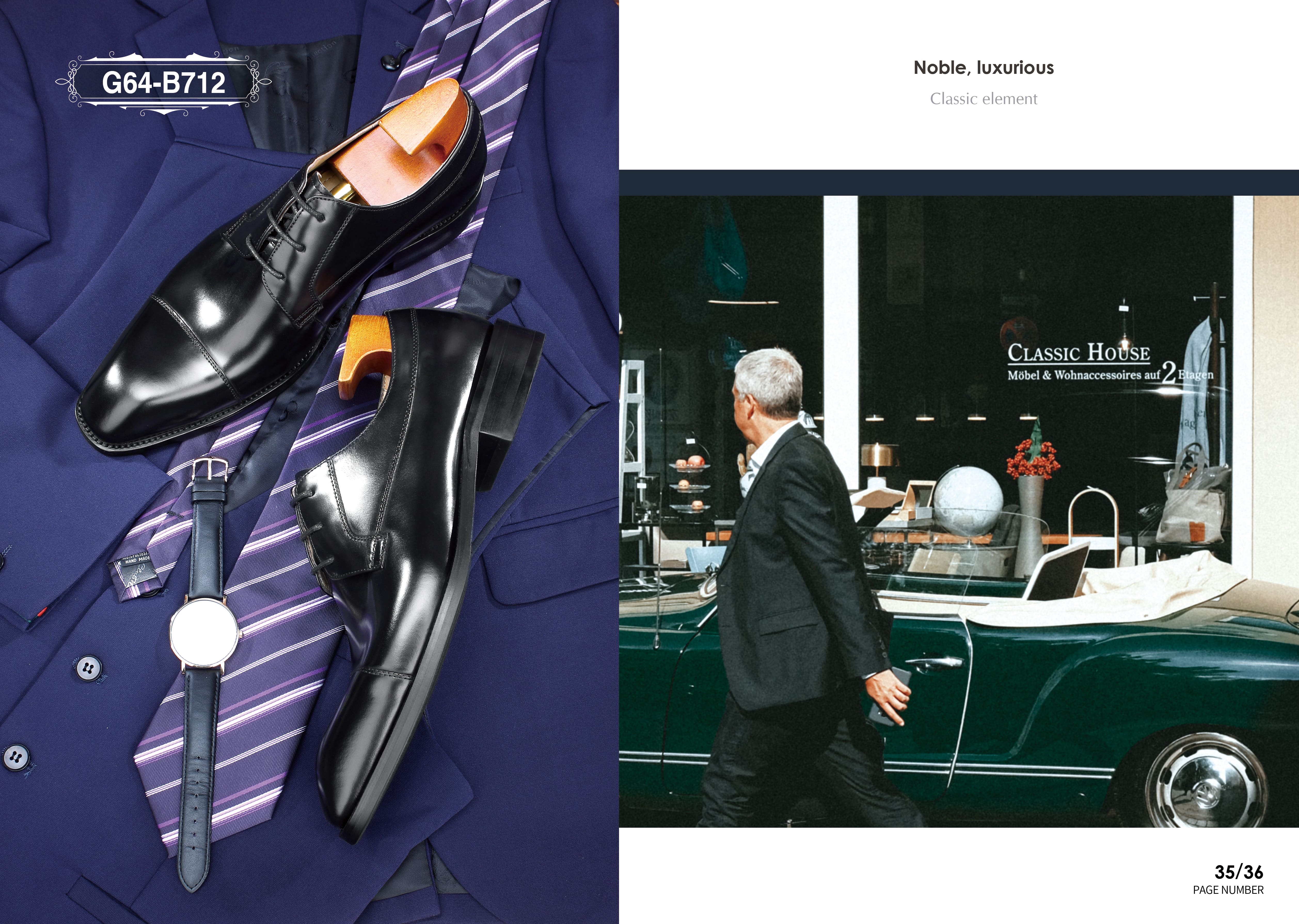
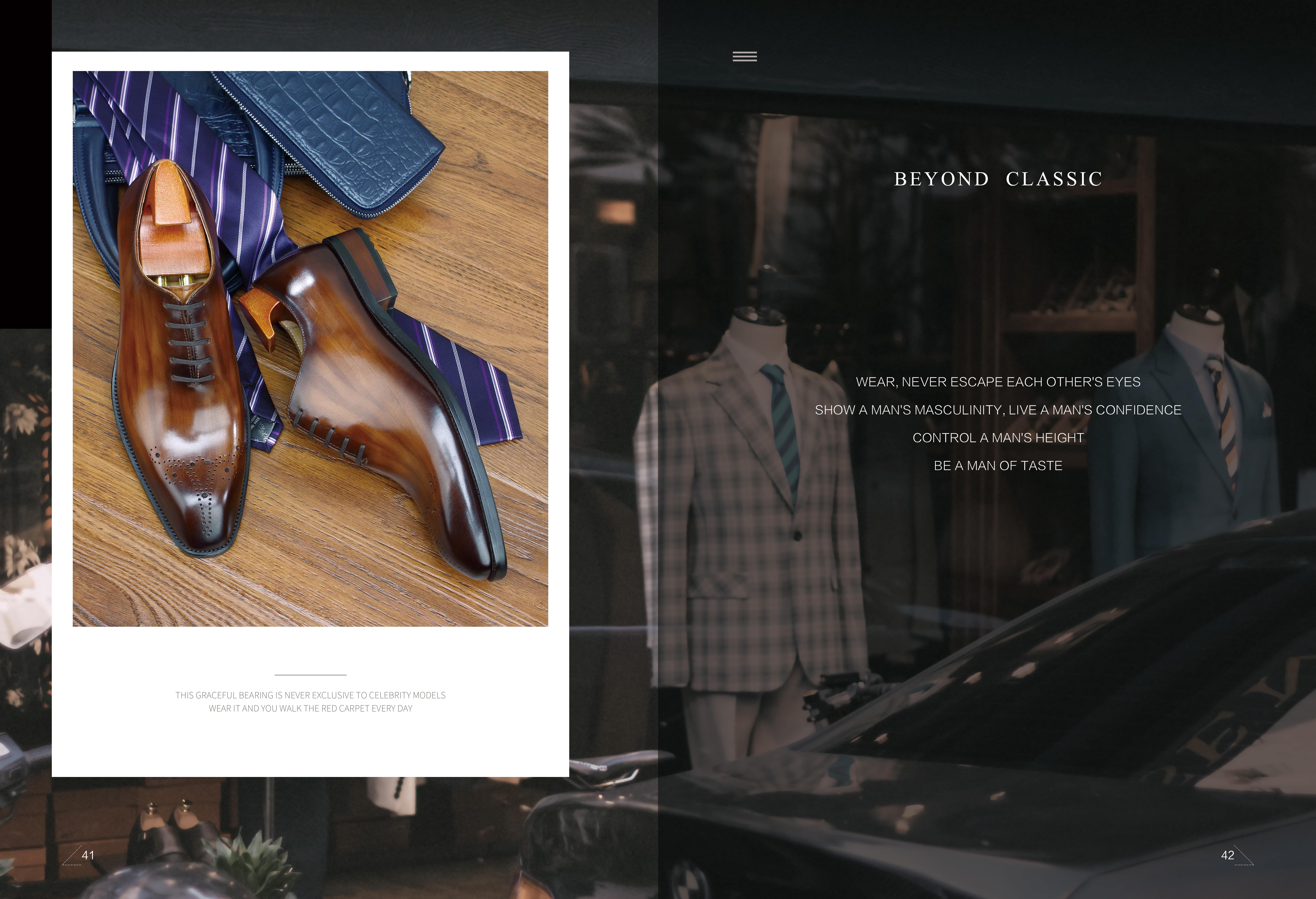
A well-rounded shoe wardrobe begins with a few foundational pieces. Start with a pair of versatile sneakers that can handle both casual wear and light exercise. Add a classic pair of leather boots for durability and style. For formal occasions, invest in high-quality dress shoes that match your professional attire. Comfort is crucial, so don't skimp on support and fit. These core items should be neutral in color, such as black, brown, or white, to maximize mix-and-match potential with your clothing.
Expanding with Style and Function
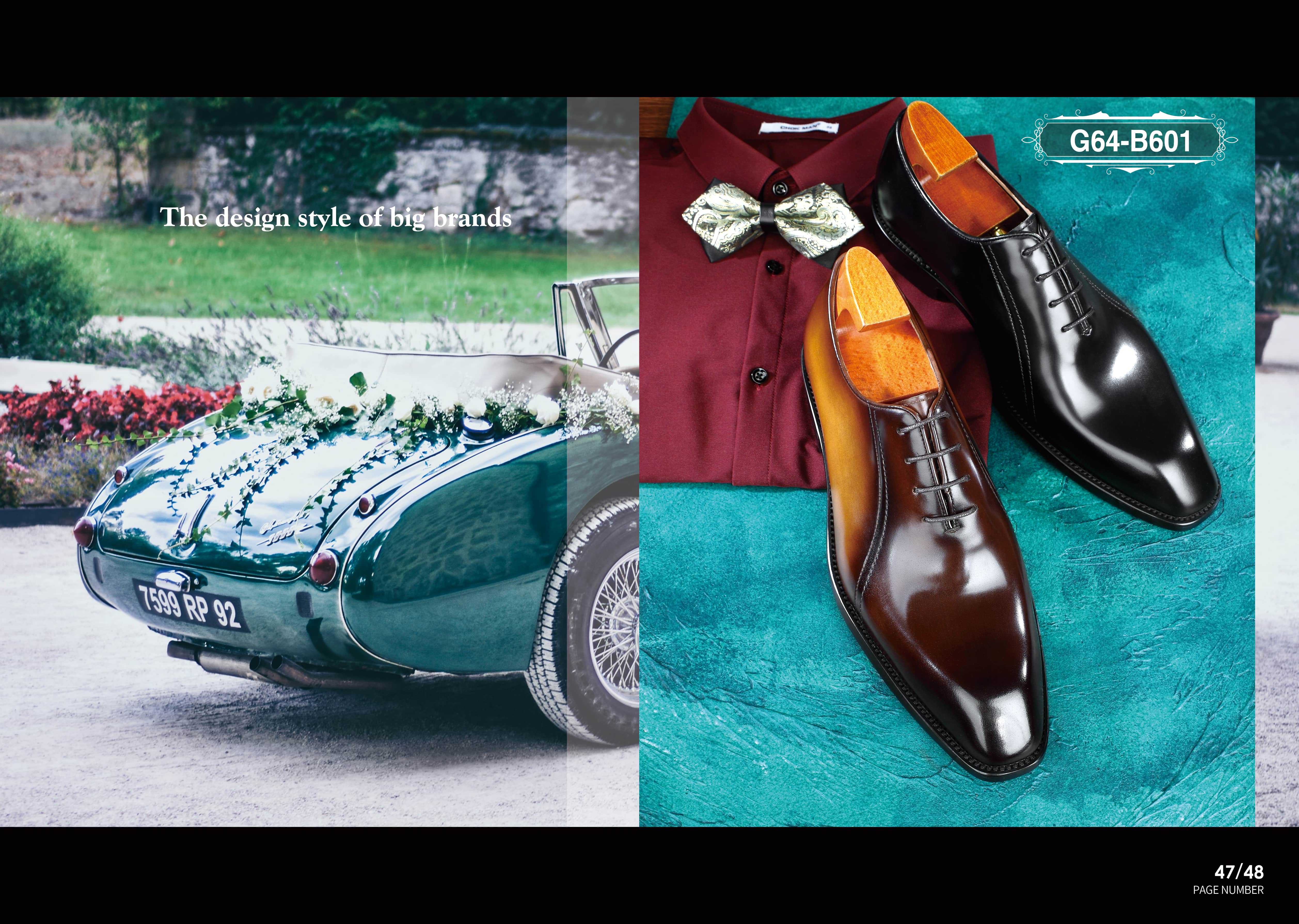
Once you have the basics, you can expand your collection to include more specialized shoes. Think about adding loafers for smart-casual events, athletic shoes for specific sports, or statement heels for special occasions. Consider materials like suede or canvas for variety, but always prioritize comfort and practicality. Rotate your shoes regularly to extend their lifespan and maintain their shape. Remember, building a shoe wardrobe is an ongoing process—add pieces gradually based on evolving trends and personal preferences.
Maintenance and Organization Tips
Proper care is essential to keep your shoe wardrobe in top condition. Clean your shoes after each use, especially if they're exposed to dirt or moisture. Use shoe trees to preserve the shape of leather shoes, and store them in a cool, dry place. Organize your collection by type or season to make it easy to find what you need. Regularly inspect for wear and tear, and repair or replace items as necessary. This not only saves money in the long run but also ensures you always look polished.
Common Questions
How many shoes should I have in my wardrobe?
There's no one-size-fits-all answer, but a good starting point is 5-10 pairs covering different categories like casual, formal, athletic, and seasonal. Focus on quality over quantity to build a functional collection.
What are the most versatile shoe colors?
Neutral colors like black, brown, navy, and white are highly versatile as they pair well with most outfits. Start with these before adding bolder hues.
How can I save money while building a shoe wardrobe?
Look for sales, buy off-season, and invest in timeless styles that won't go out of fashion. Consider second-hand options for high-end brands, but always check for quality.