




The Timeless Art of Fine Leather Craftsmanship: A Journey Through Quality and Tradition
The Foundations of Fine Leather Craftsmanship
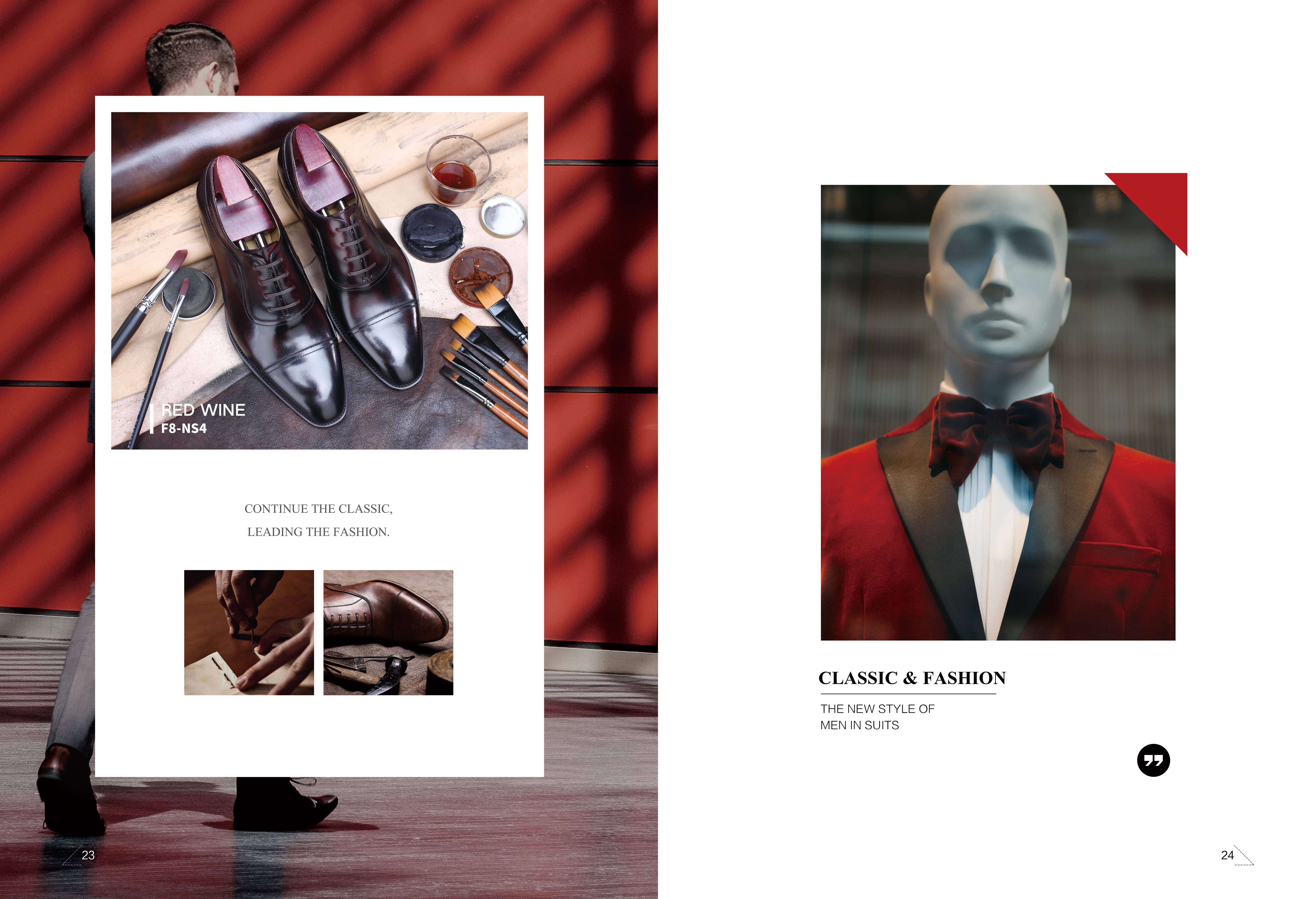
At its core, fine leather craftsmanship begins with selecting the right materials. High-quality hides, such as full-grain or top-grain leather, are essential for durability and aesthetic appeal. These materials are sourced from reputable tanneries that use traditional methods, like vegetable tanning, which enhances the leather's natural characteristics and ensures it ages beautifully over time. Unlike mass-produced alternatives, fine leather items are crafted with attention to detail, often involving hand-cutting and careful inspection to avoid imperfections. This meticulous approach not only results in superior products but also honors a heritage that dates back to ancient civilizations, where leather was used for everything from armor to scrolls.
Essential Tools and Techniques for Mastery
To achieve excellence in leatherwork, artisans rely on a specific set of tools and techniques. Key tools include skiving knives for thinning edges, stitching awls for precise holes, and edge bevelers for smooth finishes. Techniques like saddle stitching, which uses two needles to create a strong, decorative seam, are fundamental for durability. Additionally, processes such as burnishing—rubbing the leather edges to create a polished look—and dyeing with natural pigments add both functionality and beauty. Mastering these skills requires practice and patience, often learned through apprenticeships or dedicated workshops. For example, many craftsmen spend years perfecting their stitching to ensure each piece can withstand daily use without fraying.
Practical Tips for Aspiring Leather Artisans
If you're interested in pursuing fine leather craftsmanship, start by investing in quality tools and materials. Begin with simple projects, like a keychain or wallet, to build foundational skills. Always prioritize safety by using protective gear, such as gloves and eye protection, when handling sharp tools. To enhance your work, study the grain of the leather and plan your cuts carefully to minimize waste. Joining online communities or local guilds can provide valuable feedback and inspiration. Remember, consistency is key; regular practice helps develop muscle memory and improves precision. As you progress, consider specializing in areas like bookbinding or footwear to deepen your expertise and create unique, marketable pieces.
Common Questions
What is the difference between fine leather craftsmanship and mass-produced leather goods?Fine leather craftsmanship involves hand-made techniques, high-quality materials, and attention to detail, resulting in durable, unique items that improve with age. In contrast, mass-produced goods often use lower-grade leather and automated processes, leading to faster wear and less character.
How can I maintain fine leather items to ensure longevity?Regular cleaning with a soft cloth and conditioning with leather-specific products helps prevent drying and cracking. Store items in a cool, dry place away from direct sunlight, and avoid overloading bags to maintain their shape. For stains, use gentle cleaners and test on a small area first.
Is fine leather craftsmanship expensive to learn?While initial costs for tools and materials can be high, starting with basic kits and practicing on scrap leather can reduce expenses. Many resources, such as online tutorials and community workshops, offer affordable ways to learn. Over time, investing in quality pays off through the creation of valuable, long-lasting products.