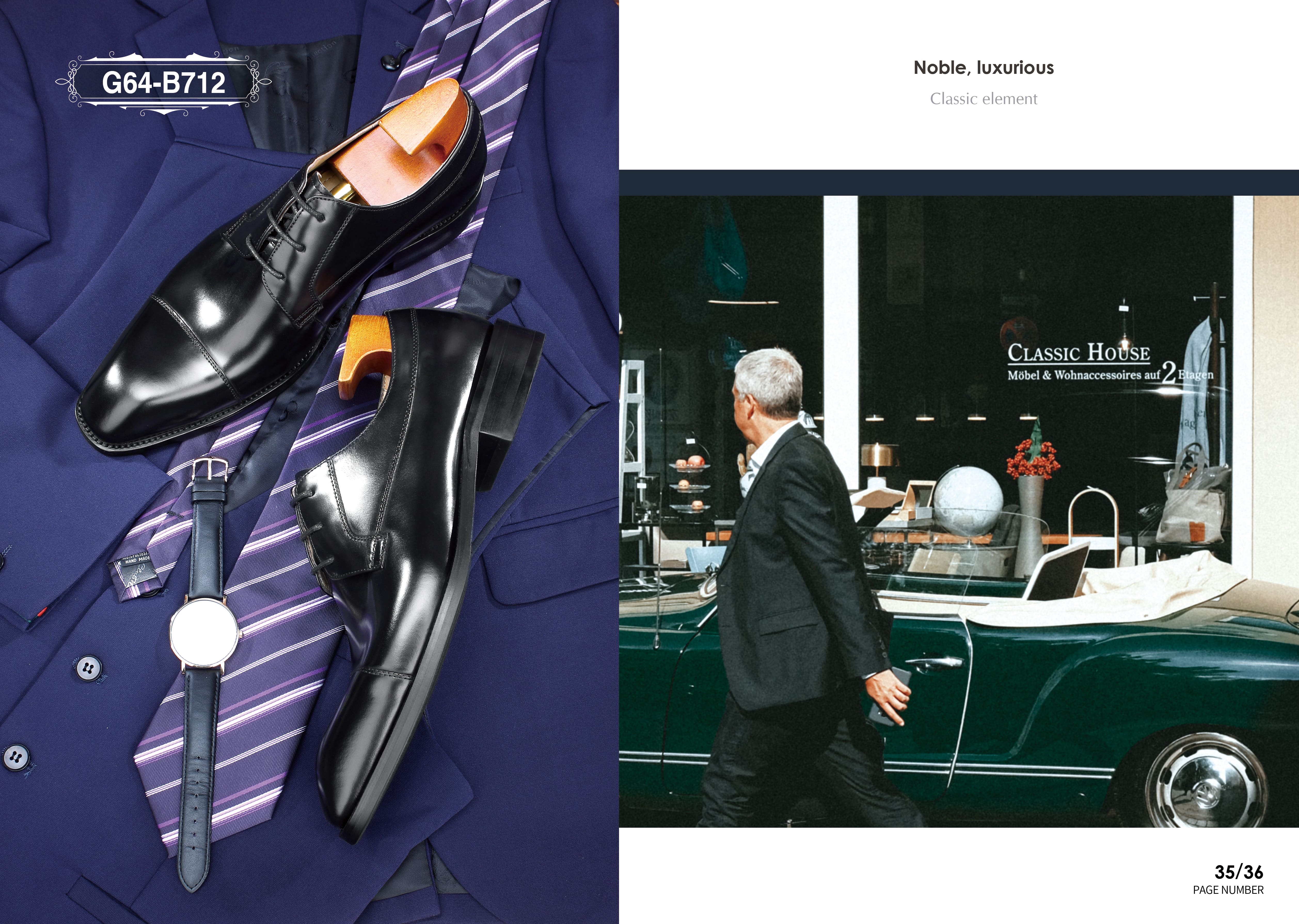





Welted vs Cemented Shoes: A Comprehensive Guide to Construction Methods and Their Impact on Durability and Style
Introduction to Shoe Construction Methods
In the world of footwear, the way a shoe is put together plays a crucial role in its performance and lifespan. Two primary methods dominate the market: welted construction and cemented construction. Welted shoes involve stitching the upper to a welt, which is then attached to the sole, creating a durable and repairable bond. In contrast, cemented shoes use adhesive to glue the upper directly to the sole, offering a lighter and more cost-effective option. This distinction might seem technical, but it directly impacts factors like durability, comfort, and maintenance, making it essential knowledge for any shoe enthusiast or casual buyer.
What Are Welted Shoes?
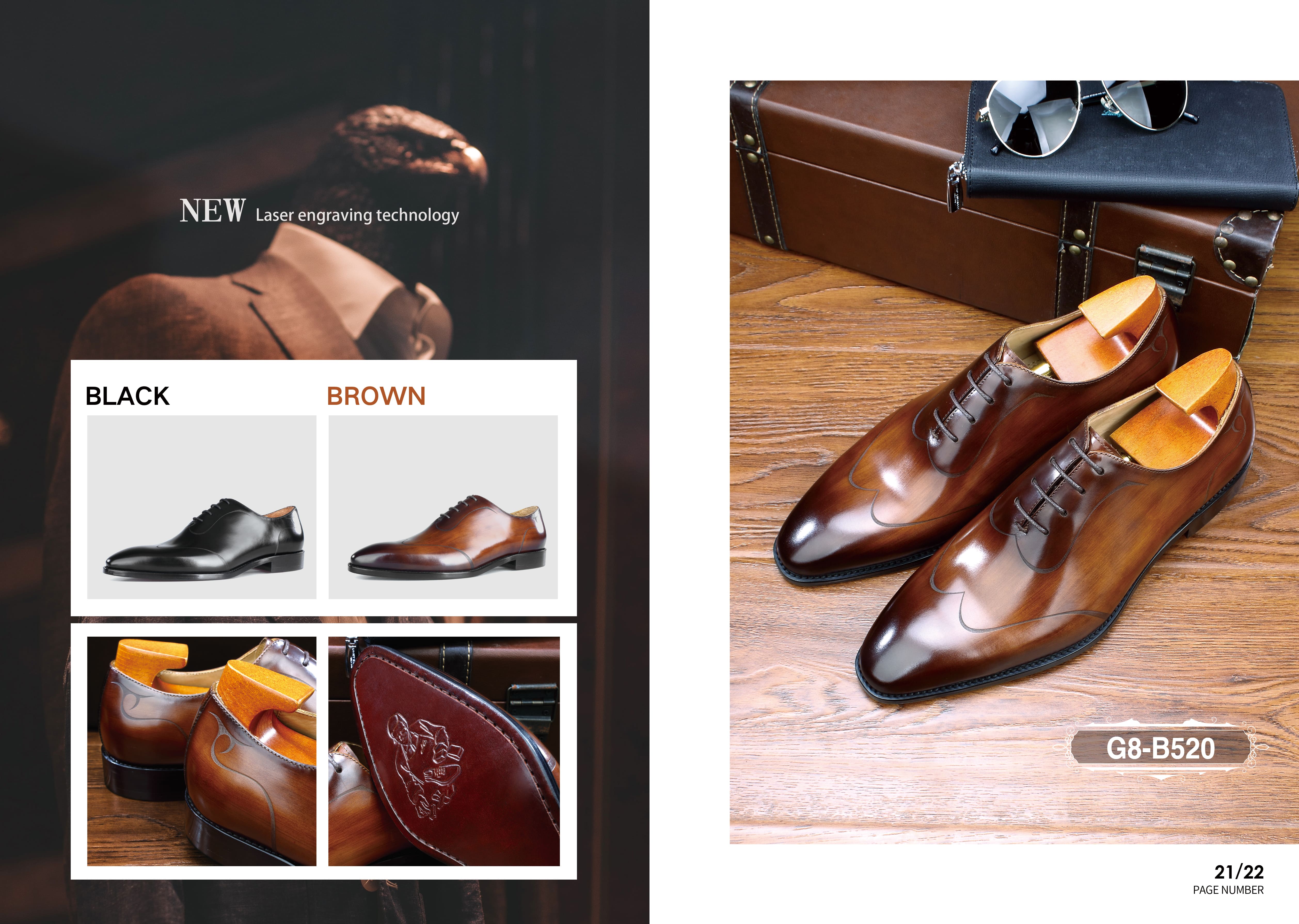
Welted shoes are renowned for their robustness and longevity. The process begins with the upper part of the shoe being stitched to a strip of leather or synthetic material called a welt. This welt is then sewn or stitched to the insole and outsole, creating a strong, multi-layered bond. This method allows for easy resoling, as the welt can be removed and replaced without damaging the upper. Common in high-quality dress shoes, boots, and work footwear, welted construction often features Goodyear welting or Blake stitching, each with slight variations. For example, Goodyear welting includes a cork filler for added comfort, while Blake stitching is sleeker but less water-resistant. The result is a shoe that can last for years with proper care, though it tends to be heavier and more expensive due to the labor-intensive process.
What Are Cemented Shoes?
Cemented shoes, on the other hand, prioritize simplicity and affordability. In this method, the upper is glued directly to the sole using strong adhesives, eliminating the need for stitching. This makes the manufacturing process faster and cheaper, allowing for mass production. Cemented construction is prevalent in casual sneakers, athletic shoes, and budget-friendly footwear. The lightweight design enhances comfort for everyday wear, and the seamless appearance can be more aesthetically pleasing in modern styles. However, the adhesive bond may weaken over time, especially with exposure to moisture or heavy use, making these shoes less durable and harder to repair. Once the glue fails, the sole often needs complete replacement, which might not be cost-effective compared to buying a new pair.
Key Differences Between Welted and Cemented Shoes
Understanding the differences between welted and cemented shoes can help you choose based on your needs. Durability is a major factor: welted shoes generally last longer due to their stitched construction, which withstands wear and tear better. Cemented shoes may show signs of separation after a few years. In terms of comfort, cemented shoes are lighter and more flexible, ideal for active lifestyles, while welted shoes offer superior support and can be broken in for a custom fit. Repairability favors welted shoes, as resoling is straightforward; cemented shoes often require professional regluing or replacement. Cost also varies significantly: welted shoes are an investment, often costing $200 or more, whereas cemented shoes can be found for under $50. For instance, a welted leather boot might serve for decades with occasional resoling, while a cemented sneaker could need replacing every couple of years.
Which Method Is Right for You?
Choosing between welted and cemented shoes depends on your priorities. If you value long-term value and durability, such as for formal occasions or rugged outdoor use, welted shoes are the better choice. They might require a higher upfront cost, but their repairability makes them cost-effective over time. For everyday casual wear or sports, where lightweight comfort and affordability are key, cemented shoes excel. Consider your lifestyle: a professional needing reliable dress shoes might opt for welted Oxfords, while a runner would benefit from cemented athletic sneakers. It's also worth noting that some hybrid models combine elements of both, offering a balance. Ultimately, assessing factors like budget, usage frequency, and personal style will guide your decision.
Common Questions
What is the main advantage of welted shoes?
The primary advantage is durability and repairability; welted shoes can be resoled multiple times, extending their lifespan significantly compared to cemented shoes.
Are cemented shoes less comfortable than welted shoes?
Not necessarily; cemented shoes are often lighter and more flexible, making them comfortable for short-term wear, but welted shoes may provide better long-term support and cushioning as they mold to your feet.
Can I repair a cemented shoe if the sole comes off?
Yes, but it can be challenging. Professional cobblers can reglue the sole, but if the adhesive has degraded extensively, replacement might be more practical, whereas welted shoes are easier to repair by replacing the welt or sole.
Which type is better for wet conditions?
Welted shoes, especially those with Goodyear welting, tend to be more water-resistant due to their stitched construction and sealed edges, while cemented shoes may leak if the glue weakens.
Do welted shoes require more maintenance?
Yes, they benefit from regular cleaning, conditioning, and occasional resoling to maintain their quality, but this upkeep contributes to their longevity, making it a worthwhile investment for many users.