




The Art and Science of Leather Shoe Construction: A Comprehensive Guide
Introduction to Leather Shoe Construction
Leather shoe construction is a time-honored craft that combines artistry with precision engineering. It involves transforming raw materials into functional and stylish footwear through a series of well-defined steps. The process begins with design and pattern-making, where the shoe's shape and fit are planned. This stage is crucial as it determines the overall aesthetics and comfort. Skilled artisans use templates to cut leather pieces, ensuring consistency and minimizing waste. The choice of leather, such as full-grain or corrected-grain, impacts the shoe's durability and appearance. Full-grain leather, for instance, is prized for its natural texture and longevity, making it ideal for premium shoes.
Key Steps in the Construction Process
The construction of leather shoes typically follows a sequence of steps that can vary based on the method used, such as Goodyear welt or Blake stitch. First, the upper assembly involves stitching together the leather pieces that form the shoe's exterior. This includes the vamp, quarters, and tongue, which are carefully aligned and sewn to create a seamless look. Next, the lasting process attaches the upper to the insole, shaping the shoe over a last (a foot-shaped mold). This step ensures the shoe conforms to the desired fit and style. Then, the sole attachment is performed, where the outsole is bonded or stitched to the upper. In Goodyear welt construction, a welt strip is used to connect the upper, insole, and outsole, allowing for easy resoling and enhancing durability.
Materials and Their Impact on Quality
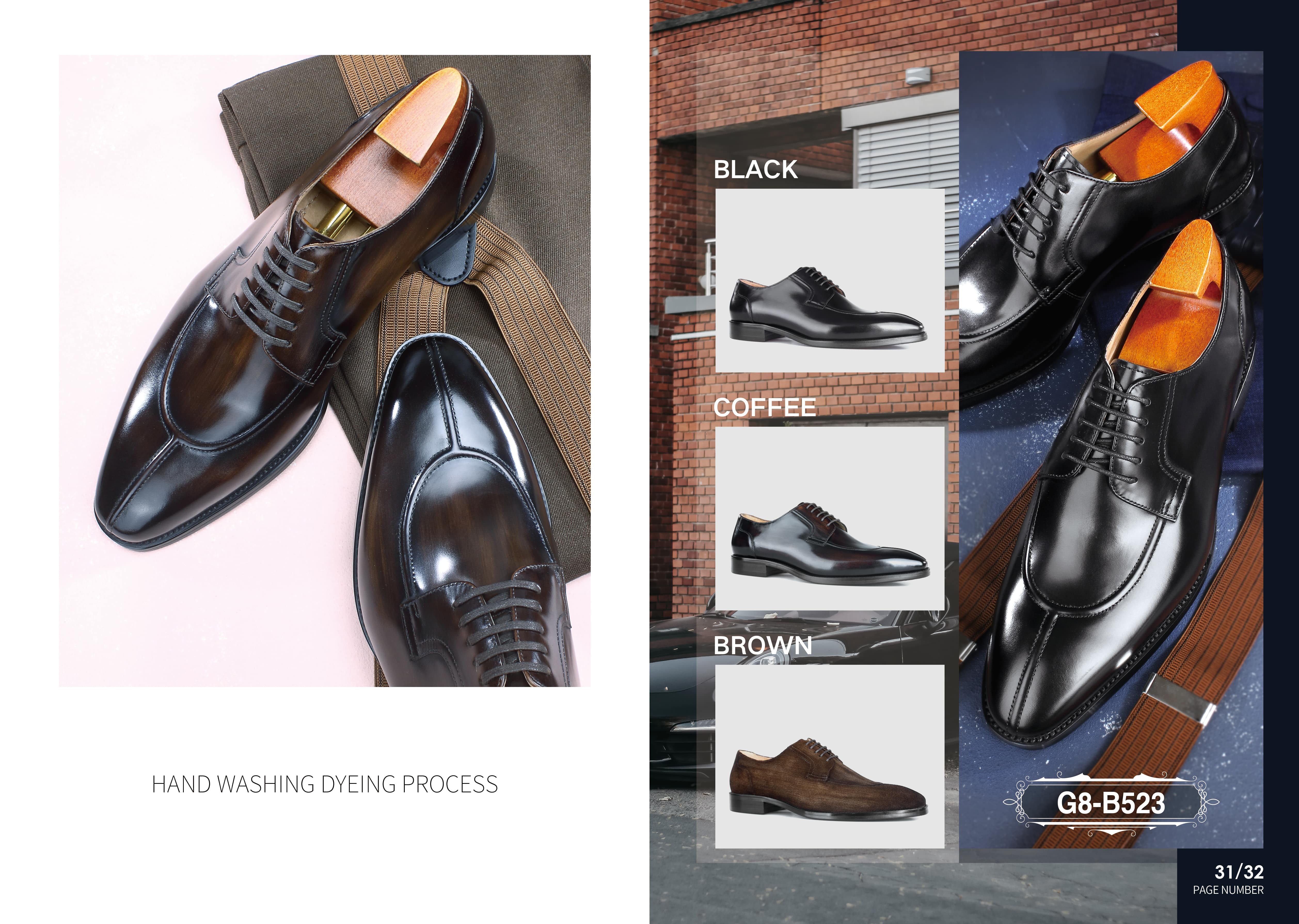
The quality of leather shoes heavily depends on the materials used. Leather selection is paramount; high-quality hides from sources like calfskin or cordovan offer superior strength and breathability. Additionally, components like the insole, outsole, and heel contribute to comfort and longevity. For example, leather insoles mold to the foot over time, providing personalized support, while rubber or leather outsoles offer traction and wear resistance. The use of adhesives and threads also plays a role; strong, flexible adhesives ensure bonds hold up under stress, and waxed threads resist fraying during stitching. In modern construction, synthetic materials may be incorporated for cost-effectiveness, but traditionalists often prefer all-leather builds for their authenticity and performance.
Common Construction Methods Explained
Different construction methods suit various shoe types and purposes. The Goodyear welt method is renowned for its durability and repairability, making it popular in dress shoes and boots. It involves stitching a welt around the shoe, which can be replaced when worn out. In contrast, the Blake stitch method is lighter and more flexible, as the sole is stitched directly to the upper without a welt, ideal for casual or lightweight shoes. Another method, cement construction, uses adhesives to bond the sole, offering affordability but less longevity. Each method has trade-offs; for instance, Goodyear welt shoes may be heavier but last longer with proper care. Understanding these techniques helps consumers choose shoes that match their needs, whether for formal wear or everyday use.
Tips for Maintaining Leather Shoes
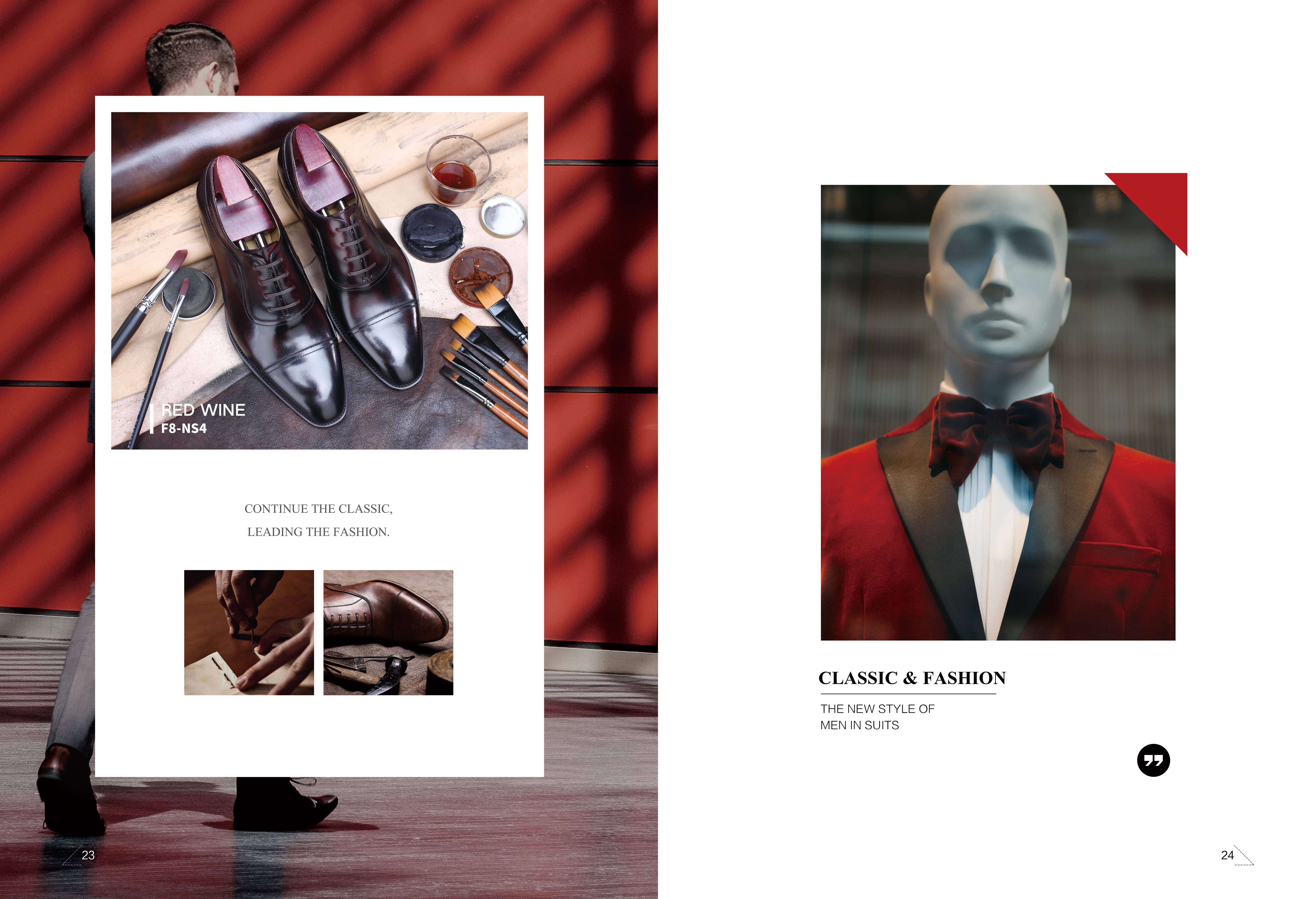
Proper maintenance is essential to extend the life of leather shoes. Regular cleaning and conditioning prevent cracks and preserve the leather's suppleness. Use a soft brush to remove dirt, then apply a leather conditioner to moisturize the material. For storage, shoe trees help maintain shape and absorb moisture, reducing the risk of deformation. Avoid wearing the same pair daily to allow them to air out, which prevents odor and wear. When it comes to repairs, timely resoling or heel replacement can save money in the long run, especially for welted shoes. By following these practices, you can enjoy your leather shoes for years, ensuring they remain both functional and stylish.
Frequently Asked Questions
What is the best type of leather for shoe construction?
Full-grain leather is often considered the best due to its natural durability and ability to develop a patina over time. It retains the hide's outer layer, making it resistant to wear and tear. However, corrected-grain leather is more affordable and suitable for budget-friendly options, though it may not last as long.
How often should I condition my leather shoes?
It depends on usage, but generally, conditioning every 3-6 months is recommended. If you wear them frequently or in harsh conditions, you might need to condition them more often to prevent drying and cracking.
Can leather shoes be repaired if the sole wears out?
Yes, especially shoes constructed with methods like Goodyear welt or Blake stitch. These allow for resoling by a cobbler, which can significantly extend the shoe's life. Cemented shoes may be harder to repair, often requiring complete sole replacement.
What is the difference between Goodyear welt and Blake stitch construction?
Goodyear welt uses a welt strip to attach the upper, insole, and outsole, making it highly durable and repairable. Blake stitch involves stitching the sole directly to the upper, resulting in a lighter and more flexible shoe but with less water resistance and repairability.