




Handmade vs Machine-Made Shoes: A Comprehensive Guide to Craftsmanship, Quality, and Value
Understanding the Basics: What Sets Them Apart
Handmade shoes are crafted by skilled artisans using traditional techniques, often involving hours of meticulous work. In contrast, machine-made shoes are produced in factories with automated processes, allowing for mass production. The primary distinction lies in the attention to detail and customization options available in handmade footwear, whereas machine-made shoes prioritize consistency and affordability.
The Craftsmanship of Handmade Shoes
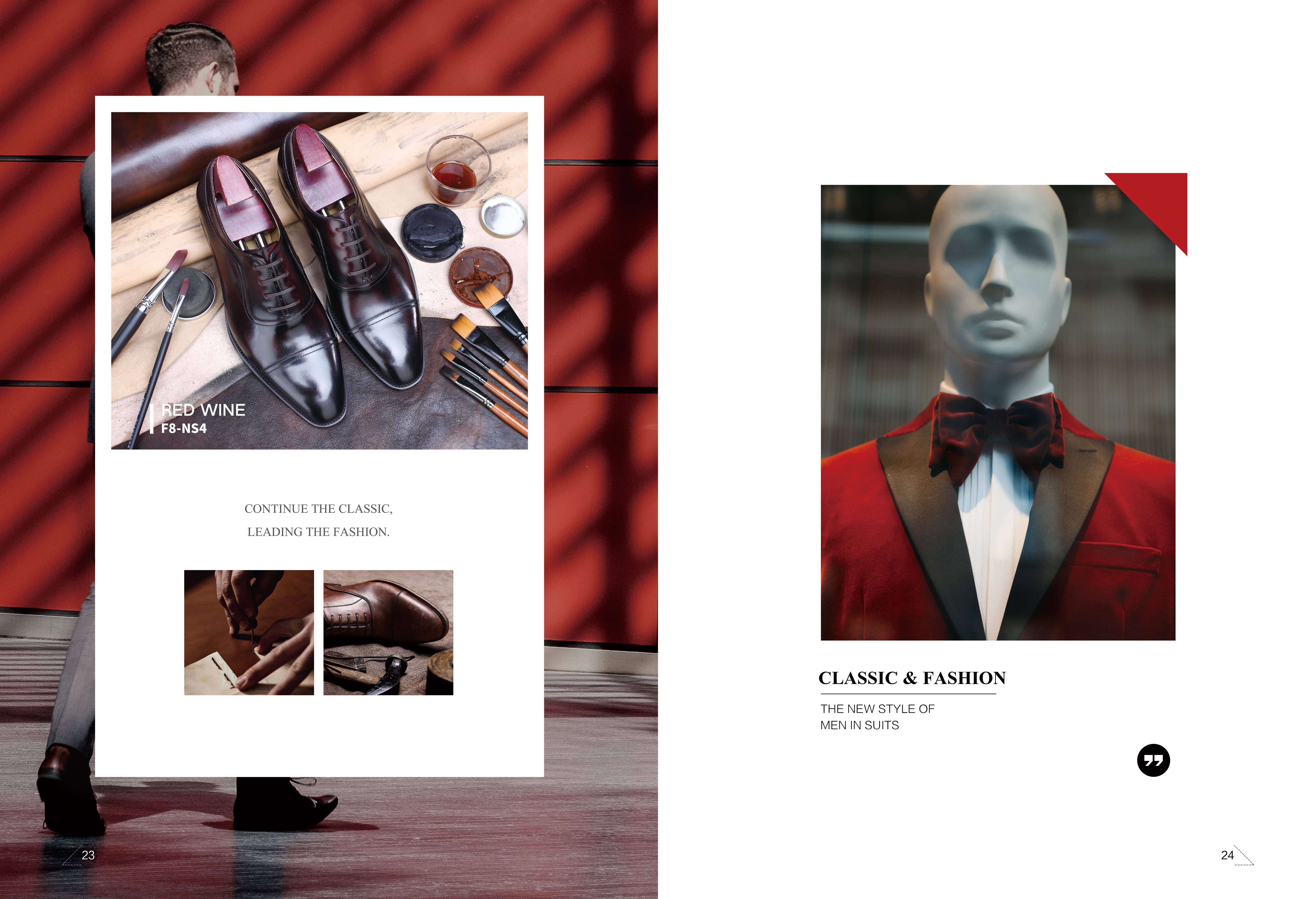
Handmade shoes are renowned for their superior quality and durability. Artisans typically use high-grade materials like full-grain leather and employ methods such as Goodyear welt construction, which enhances longevity. Each pair is tailored to the wearer's foot, offering a perfect fit and unique character. However, this level of craftsmanship comes at a higher cost and longer production time, making handmade shoes a luxury investment.
The Efficiency of Machine-Made Shoes
Machine-made shoes are designed for efficiency and accessibility. Using standardized patterns and automated stitching, manufacturers can produce large quantities quickly, keeping prices low. While they may lack the bespoke feel of handmade shoes, modern technology has improved their quality, with many offering decent comfort and style. These shoes are ideal for everyday wear or budget-conscious consumers seeking reliable performance without breaking the bank.
Comparing Quality and Durability
When it comes to longevity, handmade shoes often outlast machine-made ones due to their robust construction and repairability. The Goodyear welt, common in handmade shoes, allows soles to be replaced multiple times, extending the shoe's life. In contrast, machine-made shoes may use glued soles that wear out faster and are harder to repair. For those prioritizing long-term value, handmade shoes are a wise choice, while machine-made shoes suit short-term needs.
Style and Customization Options
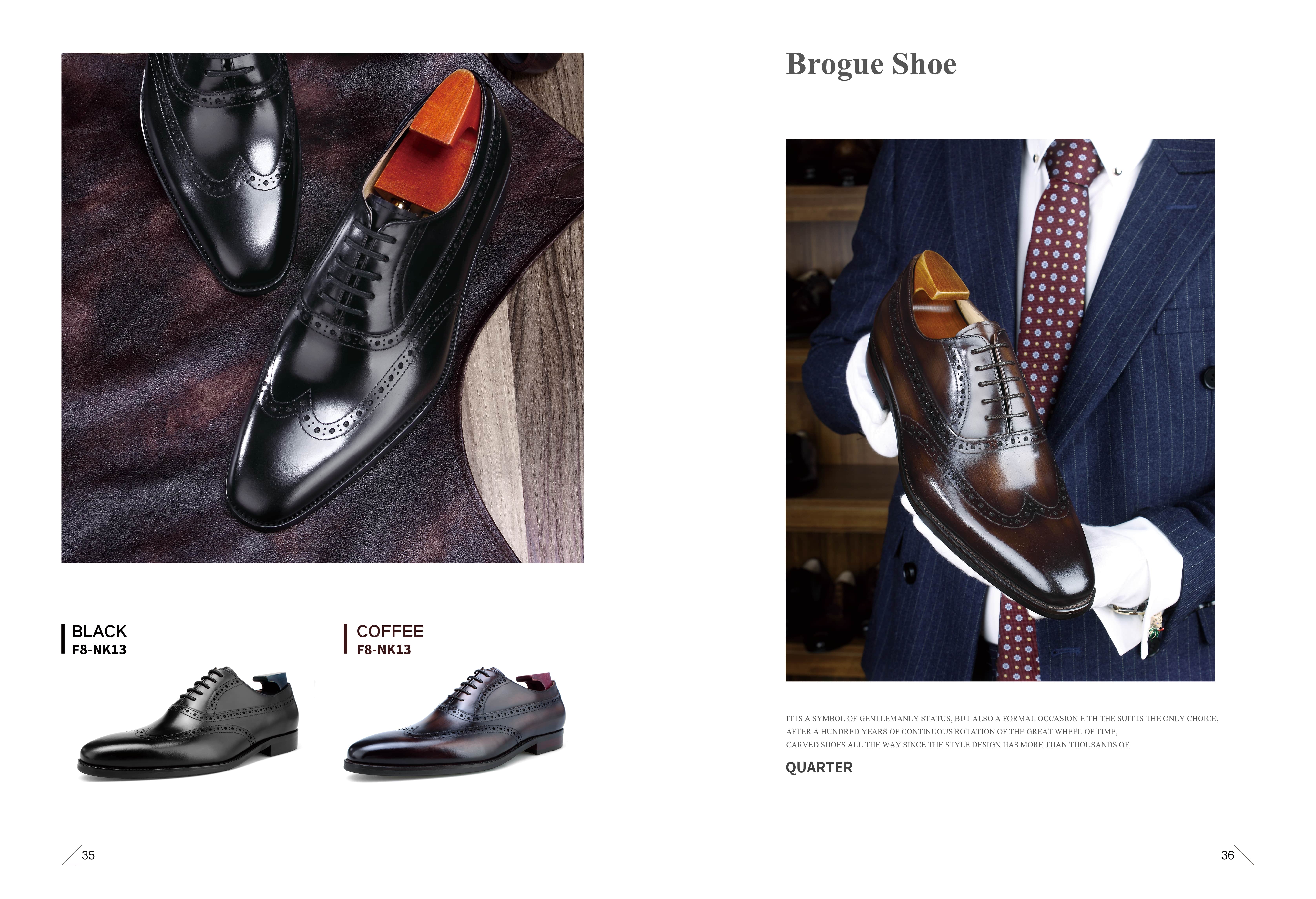
Handmade shoes offer unparalleled customization, from leather types to sole designs, allowing wearers to express their individuality. Machine-made shoes, on the other hand, follow trends and mass-market designs, limiting personalization. If you value unique aesthetics and tailored features, handmade is the way to go; for trendy, off-the-shelf styles, machine-made works well.
Cost Considerations and Value
Handmade shoes are a significant investment, often costing hundreds or thousands of dollars, but they provide excellent value over time due to their durability. Machine-made shoes are more affordable, making them accessible for casual use or frequent replacements. Consider your budget and how often you'll wear the shoes—investing in quality can save money in the long run, but practicality may favor machine-made options.
Environmental and Ethical Aspects
Handmade shoes often involve sustainable practices, such as using eco-friendly materials and supporting local artisans, reducing environmental impact. Machine-made production can lead to higher waste and carbon emissions, though some brands are adopting greener methods. Choosing handmade supports ethical craftsmanship, while opting for machine-made from responsible brands can mitigate ecological concerns.
Common Questions
Are handmade shoes always better than machine-made shoes?
Not necessarily—it depends on your needs. Handmade shoes excel in durability and customization, but machine-made shoes offer affordability and convenience for everyday use.
How can I tell if a shoe is handmade or machine-made?
Look for signs like irregular stitching, unique leather grains, and a higher price tag for handmade shoes, whereas machine-made ones often have uniform patterns and lower costs.
Do handmade shoes require special care?
Yes, they benefit from regular polishing, proper storage, and occasional professional repairs to maintain their quality and extend their lifespan.
Can machine-made shoes be repaired?
Some can, but it's often limited due to glued constructions. It's usually more cost-effective to replace them when worn out.
Which type is more comfortable?
Handmade shoes, with their custom fit, tend to be more comfortable over time, but many machine-made shoes now include advanced cushioning and ergonomic designs for immediate comfort.