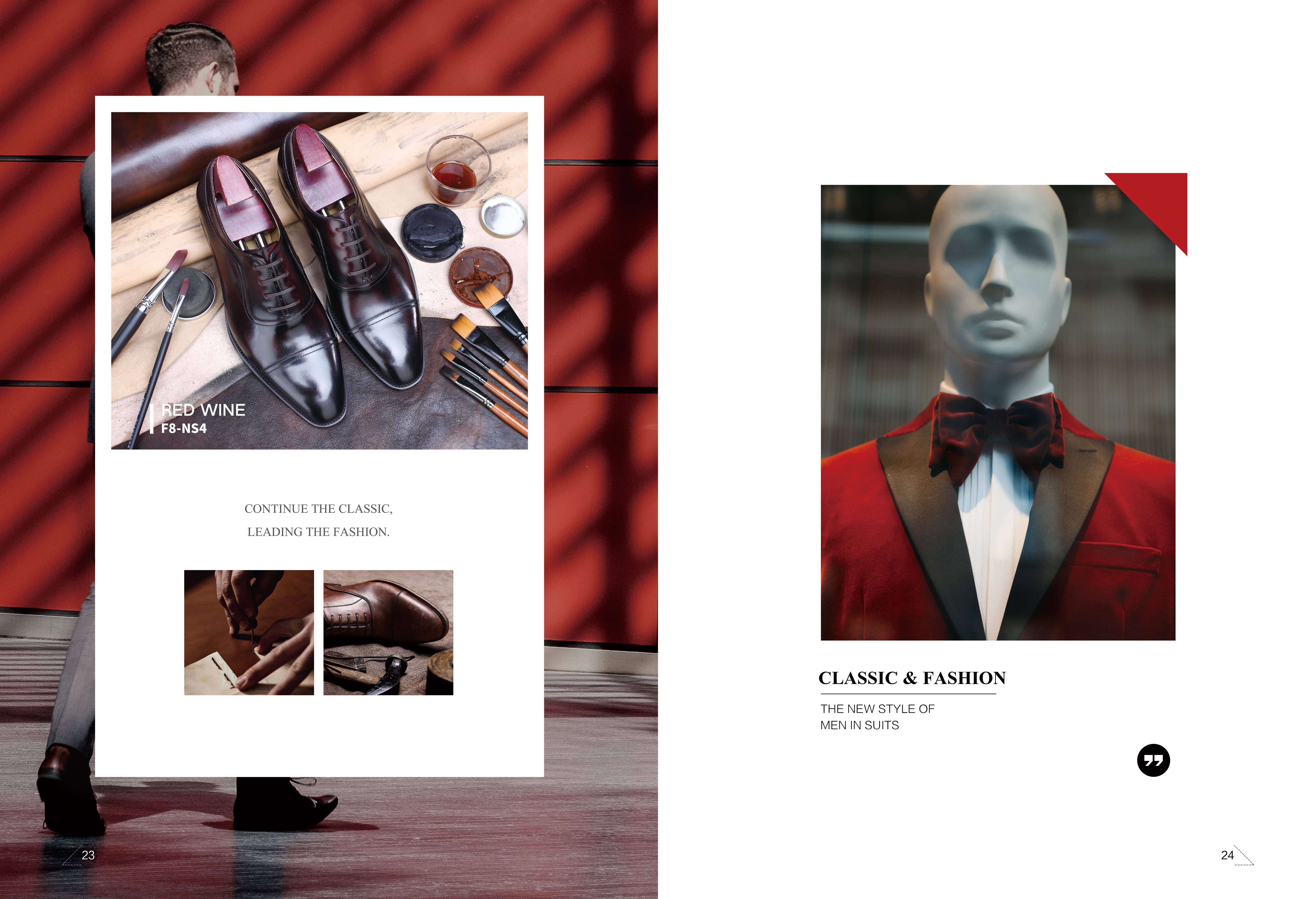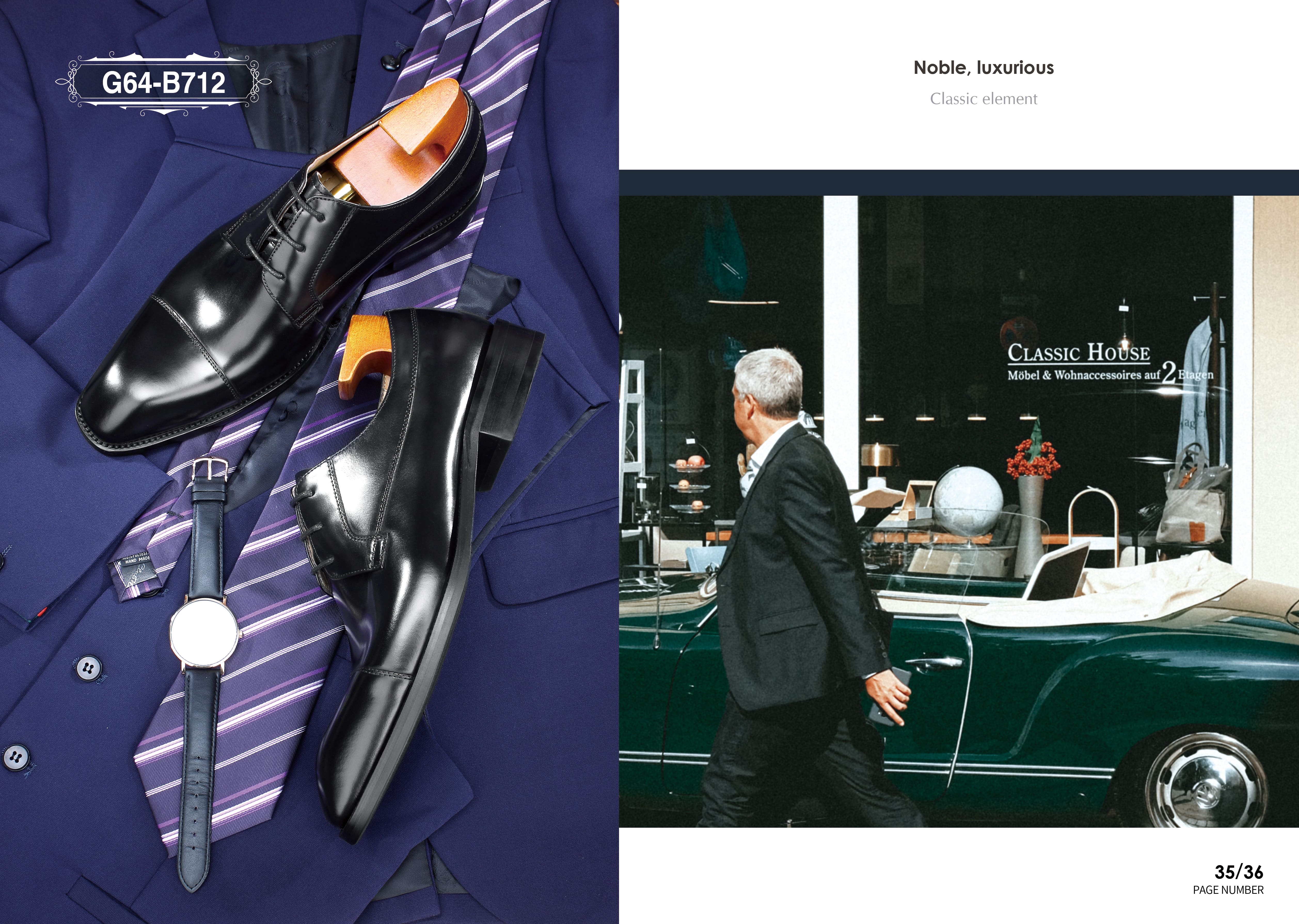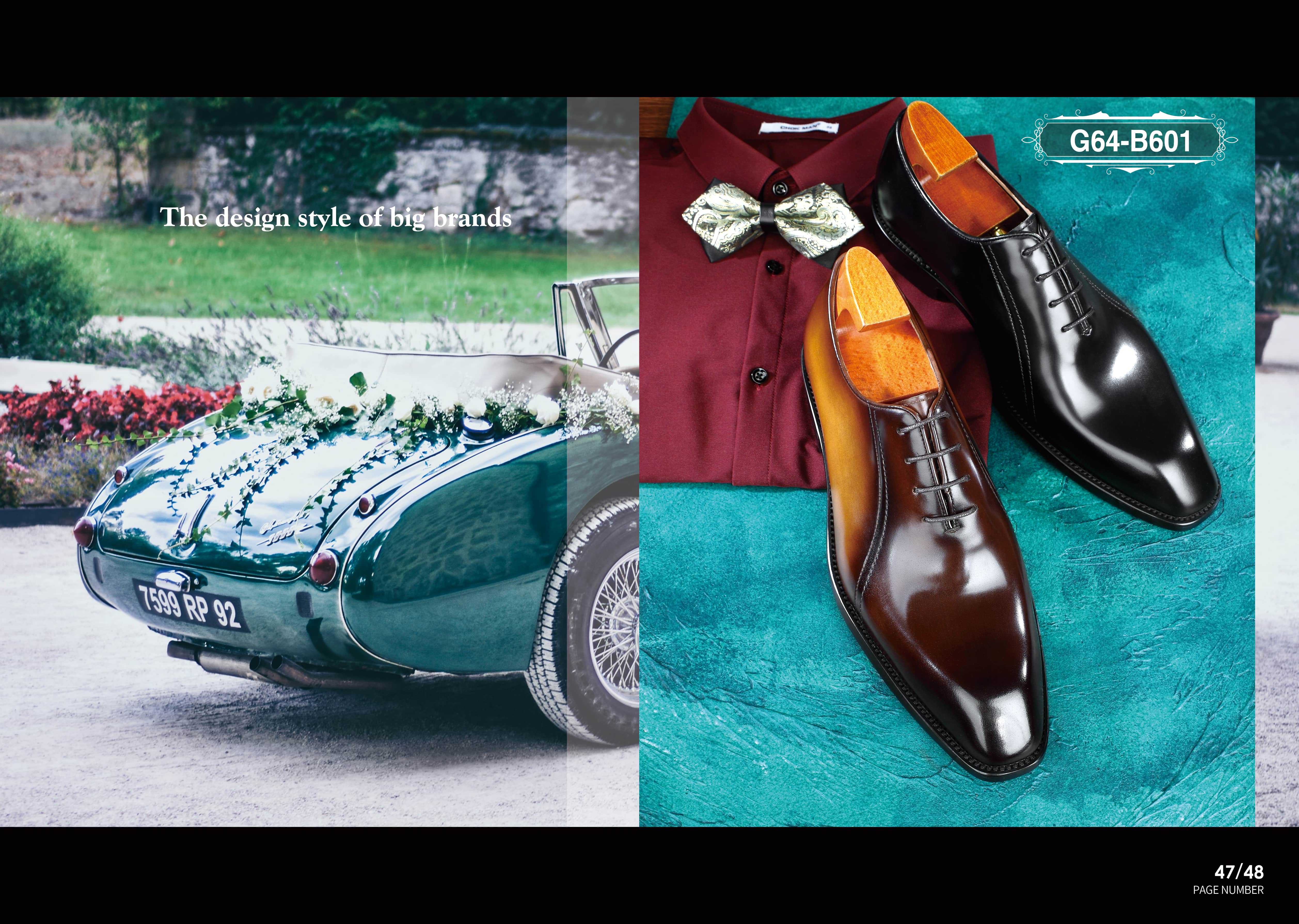





The Ultimate Guide to Quality of Full Grain Leather: Durability, Beauty, and Care
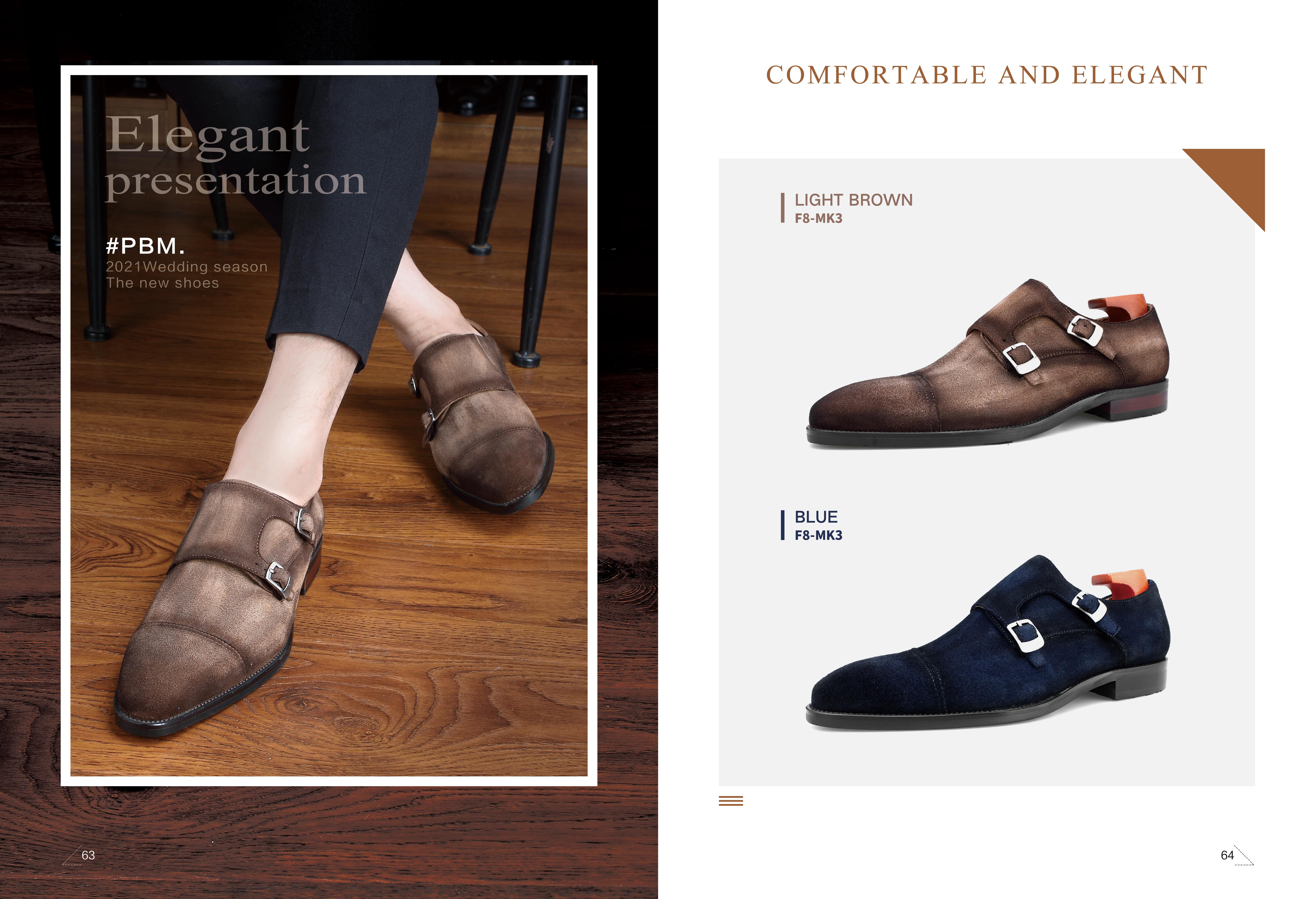
What Is Full Grain Leather?
Full grain leather is the highest quality type of leather available, made from the top layer of the hide without removing the natural grain. Unlike corrected grain or bonded leather, it retains the original surface, including imperfections like scars and wrinkles, which add character and durability. This makes it exceptionally strong and breathable, ideal for products that need to withstand daily wear, such as bags, shoes, and furniture. The quality of full grain leather is often judged by its thickness, texture, and finish, with top-tier examples showing a rich patina over time.
Key Factors Defining Quality
Several elements contribute to the overall quality of full grain leather. First, the source of the hide matters—leather from cattle raised in stress-free environments tends to have fewer defects and a more uniform texture. The tanning process is crucial; vegetable tanning, which uses natural materials like tree bark, produces a firm, eco-friendly leather that ages beautifully, while chrome tanning offers more water resistance but may lack the same depth. Look for consistent thickness and minimal splitting, as this indicates the hide hasn't been overly processed. A high-quality full grain leather should feel supple yet sturdy, with a natural sheen that doesn't rely on heavy coatings.
Benefits of Choosing High-Quality Full Grain Leather
Investing in quality full grain leather brings numerous advantages. Its durability is unmatched, often lasting decades with proper care, making it a sustainable choice compared to synthetic alternatives. The leather develops a unique patina—a soft, glossy sheen that enhances its appearance over time, telling a story of use and care. Additionally, it's breathable and resistant to moisture, reducing the risk of mold or cracking. For consumers, this means long-term value and aesthetic appeal, as products like leather jackets or sofas become more attractive with age. In professional settings, such as in luxury goods or automotive interiors, high-quality full grain leather signifies craftsmanship and reliability.
How to Identify and Care for Quality Full Grain Leather
To ensure you're getting the best, inspect the leather closely. High-quality full grain leather has a visible grain pattern and may show natural marks; avoid pieces that look too perfect or have a plastic-like feel, as these might be lower-grade alternatives. When caring for it, use a damp cloth for regular cleaning and apply a leather conditioner every few months to maintain moisture and prevent drying. Avoid harsh chemicals and direct sunlight, which can cause fading or brittleness. For storage, keep items in a cool, dry place and use breathable covers. By following these tips, you can preserve the leather's integrity and extend its lifespan, ensuring it remains a cherished part of your collection.
Common Questions
What makes full grain leather different from other types?Full grain leather is the top layer of the hide with the natural grain intact, making it the most durable and breathable. In contrast, corrected grain leather has the surface sanded and refinished, while bonded leather is made from scraps glued together, both offering less longevity and character.
How can I tell if full grain leather is high quality?Look for a consistent texture, natural imperfections, and a firm yet flexible feel. High-quality full grain leather often has a rich smell and develops a patina over time. Check the tanning method—vegetable-tanned leather is generally considered premium due to its eco-friendliness and aging properties.
Is full grain leather worth the higher price?Yes, because it lasts much longer than cheaper alternatives, reducing waste and offering better value over time. Its ability to age gracefully and maintain functionality makes it a smart investment for items you use frequently, like wallets or furniture.
How often should I condition full grain leather?Condition it every 3 to 6 months, depending on use and climate. In dry environments or with heavy use, more frequent conditioning may be needed to prevent cracking. Always test a small area first to ensure compatibility with the leather.