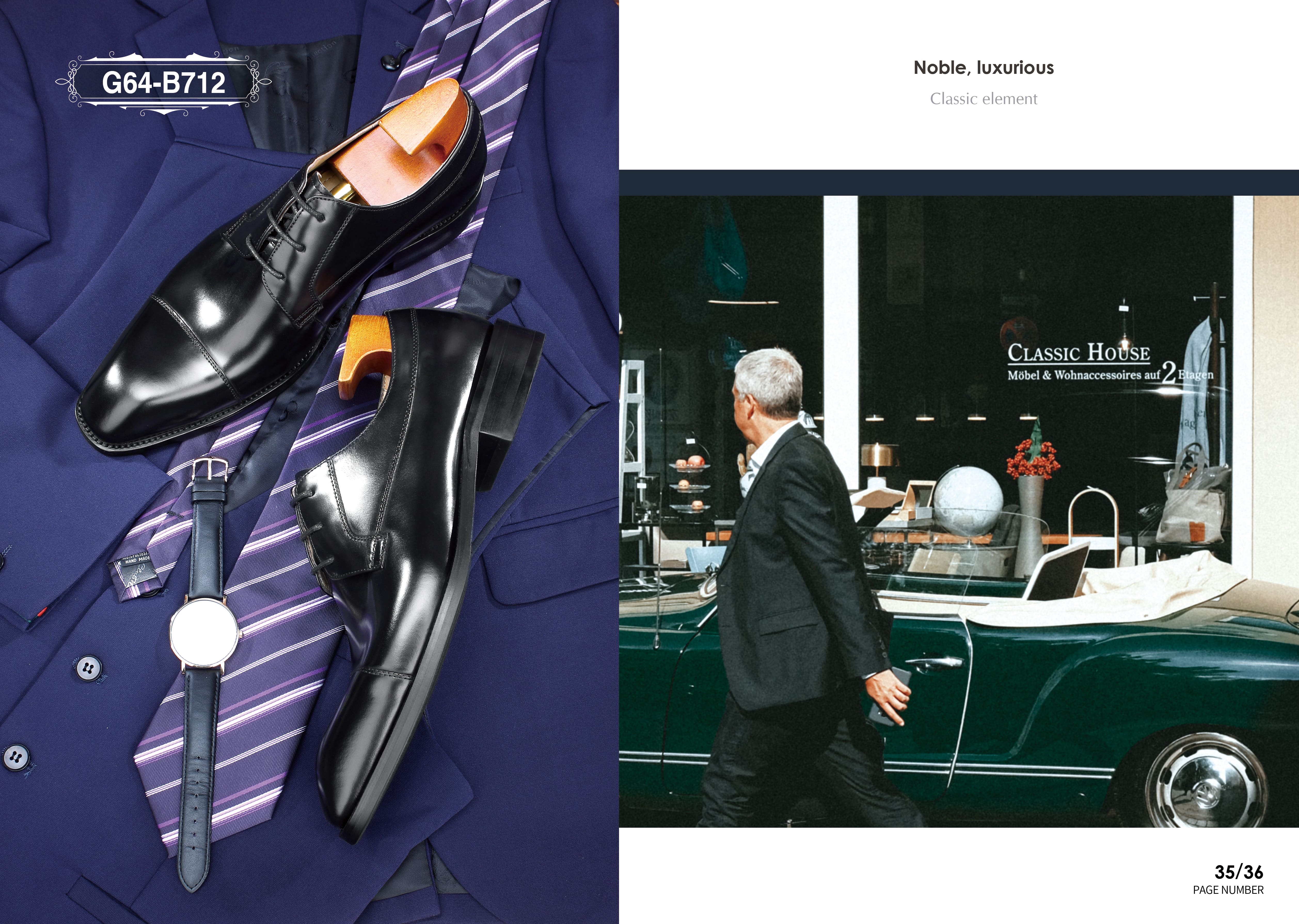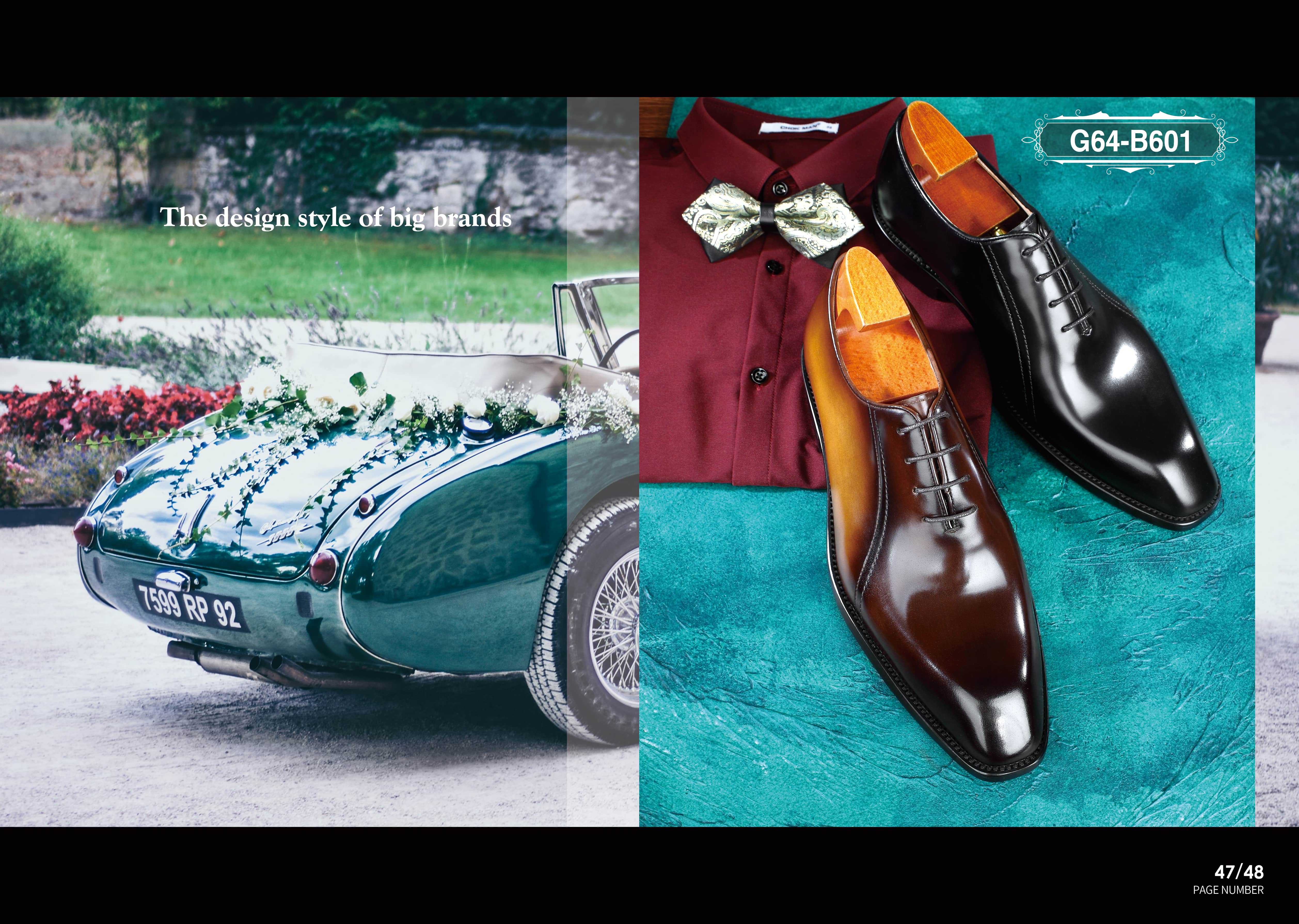





The Timeless Craft of Goodyear Welted Shoes: A Guide to Durability, Comfort, and Style

What Are Goodyear Welted Shoes?
Goodyear welted shoes are a type of footwear construction that uses a welt—a strip of leather or rubber—stitched between the upper and the insole, with the outsole then attached to the welt. This method was patented in 1869 by Charles Goodyear Jr., son of the famous rubber innovator, and has since become a hallmark of high-quality dress shoes and boots. Unlike glued or cemented shoes, the welt creates a durable barrier that can be easily replaced, extending the shoe's lifespan significantly. This process is often done by hand or with specialized machinery, ensuring precision and strength.
The History and Evolution of Goodyear Welted Construction
The development of Goodyear welted shoes marked a revolution in footwear manufacturing. Before this method, shoes were often made with simpler techniques that limited durability and repairability. Charles Goodyear Jr.'s innovation allowed for mass production while maintaining quality, making sturdy shoes accessible to a broader audience. Over time, this construction has been refined, with modern variations like the storm welt (which adds water resistance) and the Norwegian welt (known for its ruggedness). Today, brands from Allen Edmonds to Church's continue to use this technique, preserving a tradition that dates back over 150 years.
Key Benefits of Goodyear Welted Shoes
Investing in Goodyear welted shoes offers numerous advantages. First, durability is a standout feature; the welt stitching provides a strong bond that withstands daily wear and tear, often lasting decades with proper care. Second, comfort is enhanced by the ability to mold to the foot over time, thanks to the leather components and the space between layers that allows for breathability. Third, resolability means you can replace worn soles multiple times, reducing waste and saving money in the long run. Additionally, these shoes often feature high-quality materials like full-grain leather, contributing to their aesthetic appeal and longevity.
How to Choose the Right Goodyear Welted Shoes
Selecting the perfect pair involves considering several factors. Start with fit; since these shoes can be stiff initially, it's crucial to try them on and allow for a break-in period. Look for reputable brands known for craftsmanship, such as Alden or Crockett & Jones, which often use premium leathers and meticulous stitching. Consider the style—whether oxfords, derbies, or boots—to match your wardrobe needs. Pay attention to details like the welt type; for example, a storm welt is ideal for wet climates. Lastly, check for features like cork filling, which adds cushioning and conforms to your foot shape over time.
Maintenance and Care Tips for Longevity
Proper maintenance is essential to maximize the lifespan of Goodyear welted shoes. Regularly clean them with a soft brush and damp cloth to remove dirt, and apply shoe polish or conditioner to keep the leather supple and prevent cracking. Use shoe trees to maintain shape and absorb moisture, especially after wear. When the soles wear down, take them to a skilled cobbler for resoling; this typically costs less than buying new shoes. Avoid exposing them to extreme weather without protection, and rotate pairs to reduce wear. With consistent care, these shoes can become cherished items that improve with age.
Common Questions About Goodyear Welted Shoes
Are Goodyear welted shoes worth the higher price?
Yes, they are often worth the investment due to their durability and resoling capability, which can save money over time compared to cheaper, disposable shoes.
How long do Goodyear welted shoes last?
With proper care, they can last 10-20 years or more, as the construction allows for multiple resoles and repairs.
Can Goodyear welted shoes be repaired if damaged?
Yes, most damage, such as worn soles or minor tears, can be fixed by a professional cobbler, making them highly repairable.
Do Goodyear welted shoes require a break-in period?
Yes, they can be stiff initially but will mold to your feet for enhanced comfort after a few wears.
Are there any downsides to Goodyear welted shoes?
They tend to be heavier and more expensive upfront, and the break-in period might be uncomfortable for some, but the long-term benefits often outweigh these issues.