




The Timeless Elegance of Classic Cap Toe Oxford Shoes: A Guide to Handmade Craftsmanship
Understanding the Classic Cap Toe Oxford
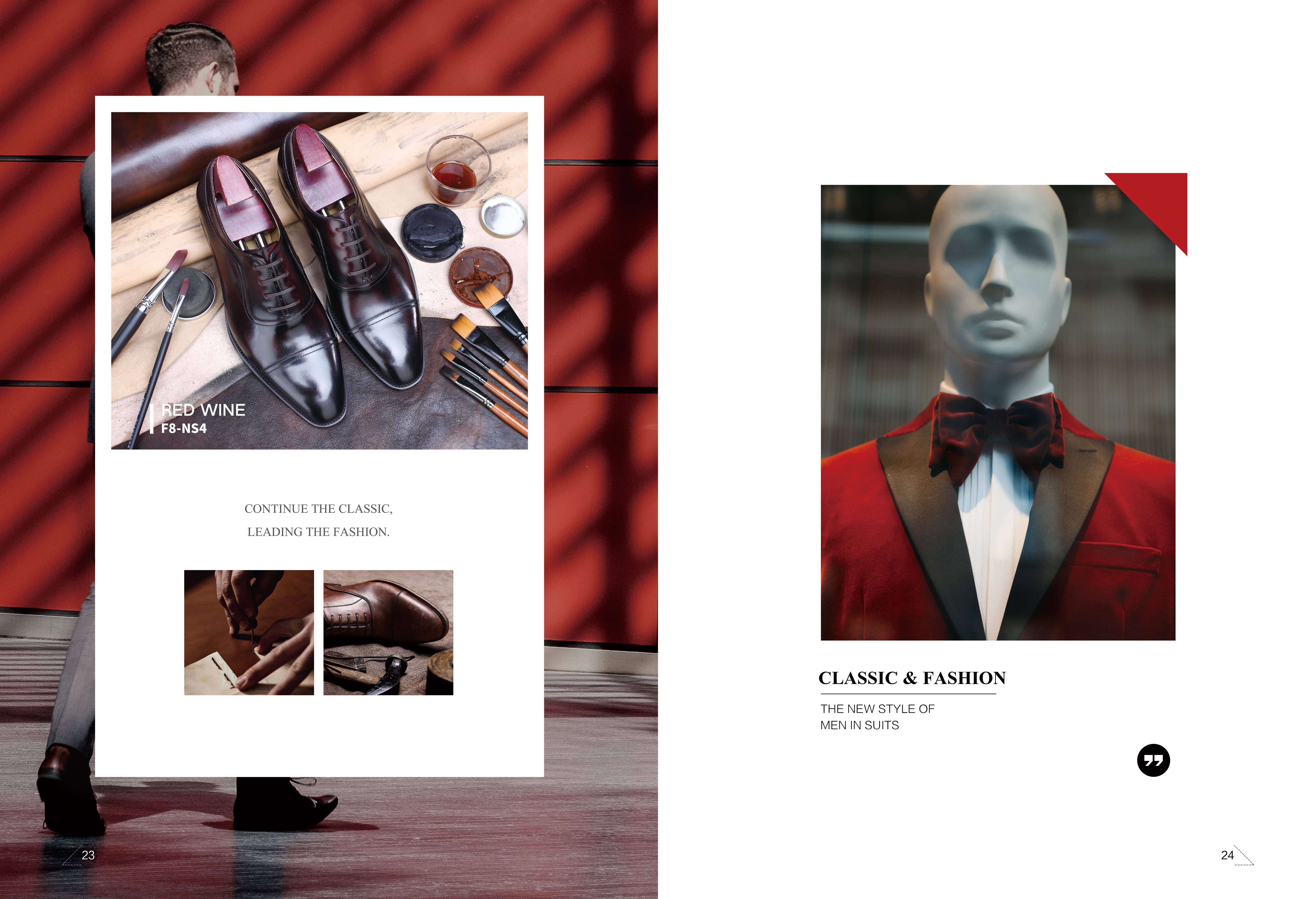
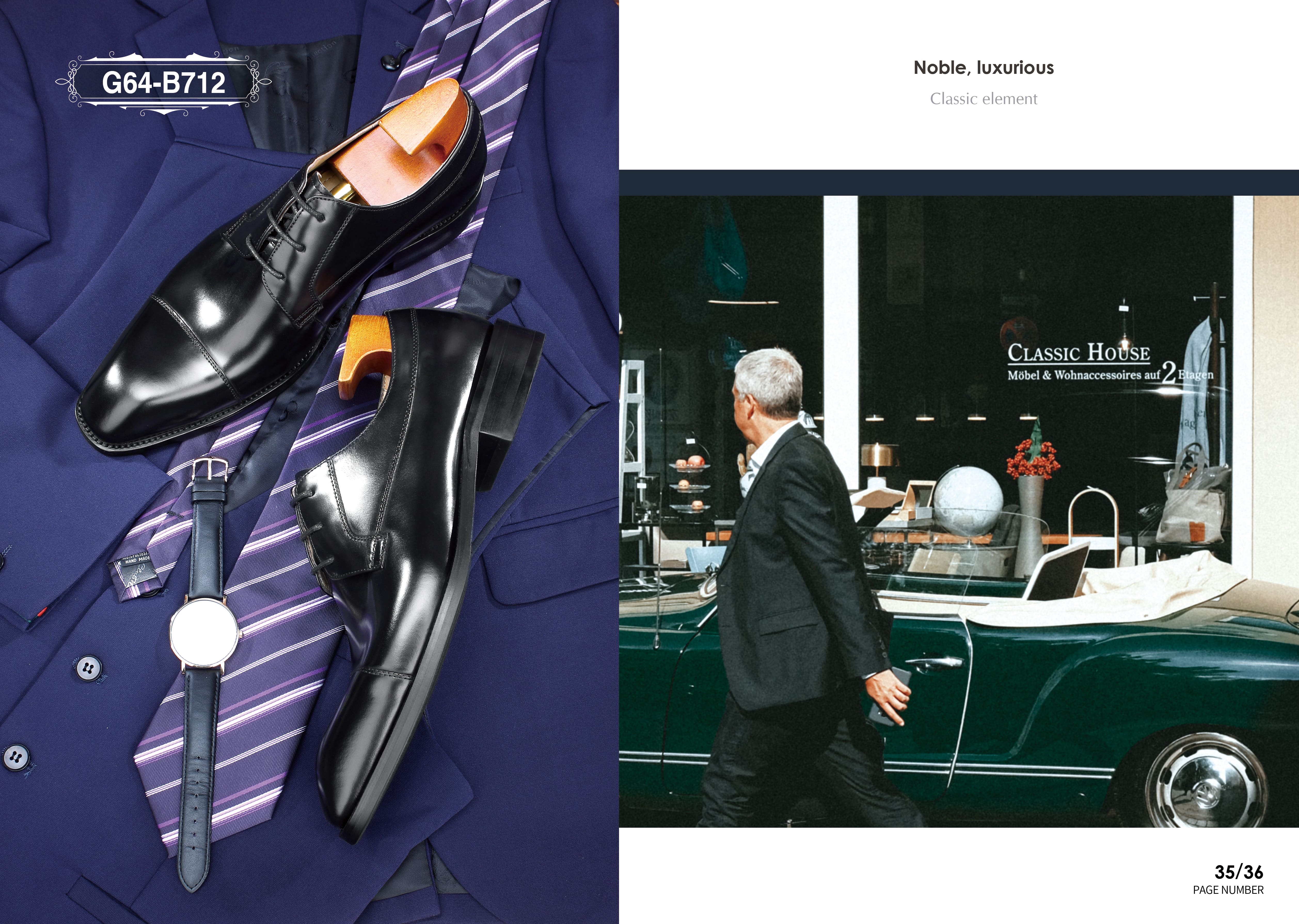
The classic cap toe oxford shoe is a hallmark of refined style. Originating in the 19th century, this shoe features a closed lacing system and a distinct cap across the toe, creating a sleek, elongated silhouette. The cap toe adds structure and visual interest, making it a versatile choice for formal occasions, business attire, or even smart-casual outfits when paired with tailored trousers.
The Art of Handmade Shoes
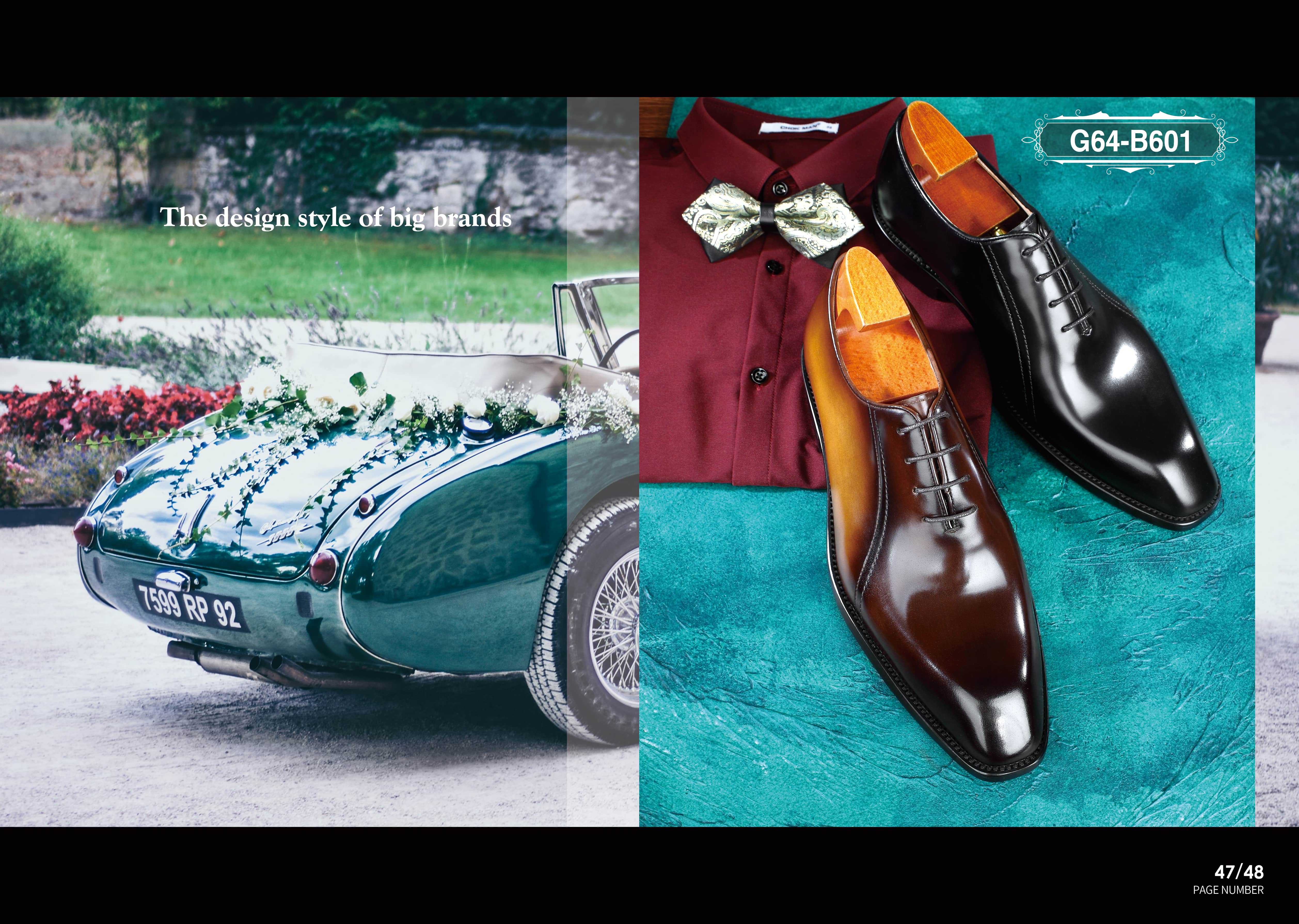
Handmade shoes represent the pinnacle of craftsmanship. Unlike mass-produced footwear, handmade cap toe oxfords involve skilled artisans who cut, stitch, and assemble each pair with precision. This process often takes weeks or even months, ensuring every detail—from the shape of the last to the spacing of the broguing—meets the highest standards. The result is a shoe that molds to your foot over time, offering unparalleled comfort and durability.
Materials Matter: Leather and Beyond
The quality of a handmade oxford depends heavily on its materials. Full-grain leather is the gold standard, prized for its natural markings and ability to develop a rich patina with age. Calfskin, cordovan, and even exotic leathers like alligator are common choices. The sole is equally important: a leather sole is traditional, providing breathability and flexibility, while a rubber sole offers more grip and weather resistance. Some makers use a Goodyear welt construction, allowing the sole to be replaced multiple times, extending the shoe's life.
Why Choose Handmade Over Machine-Made?
Investing in handmade cap toe oxford shoes offers several advantages. First, the fit is superior: last shapes are carefully designed, and stitching is done by hand, allowing for subtle adjustments. Second, the materials are often better—full-grain leather that isn't corrected or split—meaning the shoe ages gracefully. Third, the construction method, such as Blake or Goodyear welt, makes the shoe repairable. While the initial cost is higher, the cost-per-wear can be lower than replacing cheap shoes annually.
How to Identify Quality Craftsmanship
When shopping for handmade oxfords, look for these signs: tight, even stitching with no loose threads; a welted or stitched sole that forms a waterfall edge; and consistent finishing on the heel and inside of the shoe. The leather should feel supple yet firm, and the cap toe should be well-proportioned. Brands like Crockett & Jones, Edward Green, and Saint Crispin's are renowned for their handmade cap toe oxfords.
Caring for Your Cap Toe Oxfords
To maximize the longevity of your handmade shoes, proper care is essential. Use a cedar shoe tree after each wear to absorb moisture and maintain shape. Clean and condition the leather with a high-quality balm or cream every few months. Polish regularly with a wax that matches the leather. Rotate your shoes—never wear them two days in a row—and have them resoled by a professional when needed. With care, these shoes can last a lifetime.
Common Questions
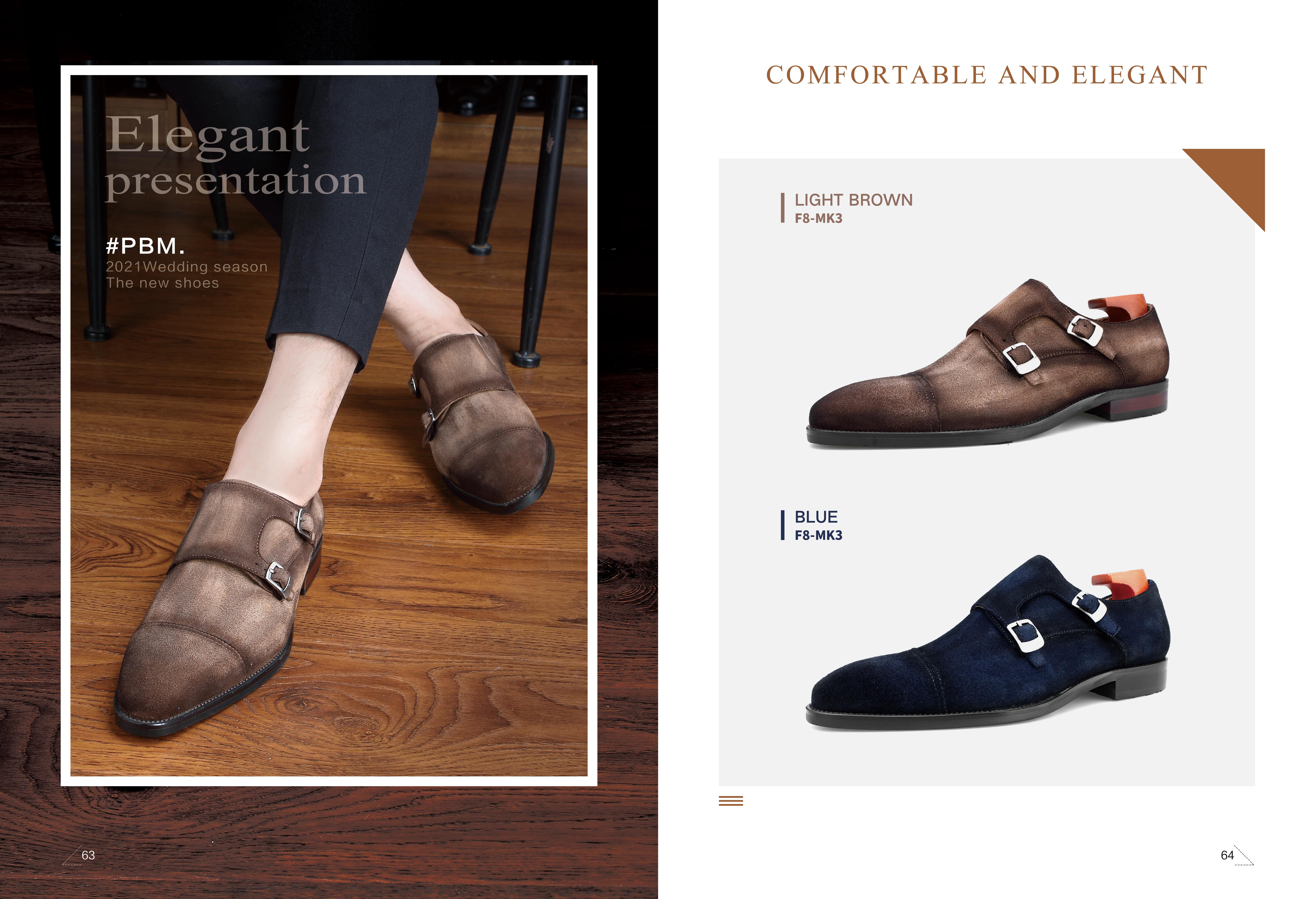
Q: Are cap toe oxfords only for formal wear?A: While they are classic with suits, cap toe oxfords can be dressed down with chinos or jeans for a smart-casual look. Opt for a dark brown or cognac leather for more versatility.
Q: How do I find the right size in handmade shoes?A: Sizes vary by maker, so it's best to get measured on a Brannock device and consult the brand's size guide. Many retailers offer a fitting service. Expect a snug fit at first, as the leather will stretch.
Q: Is it worth buying second-hand handmade oxfords?A: Yes, if they are in good condition and made by reputable makers. Look for signs of excessive wear or incorrect clicking. Resoling is possible, but costs can add up.
Q: How can I tell if a shoe is truly handmade?A: Check the inside stitching—mass-produced shoes often have visible machine stitches inside, while handmade ones have more even hand stitches. Also, look for a brand's reputation and ask the retailer about their manufacturing process.