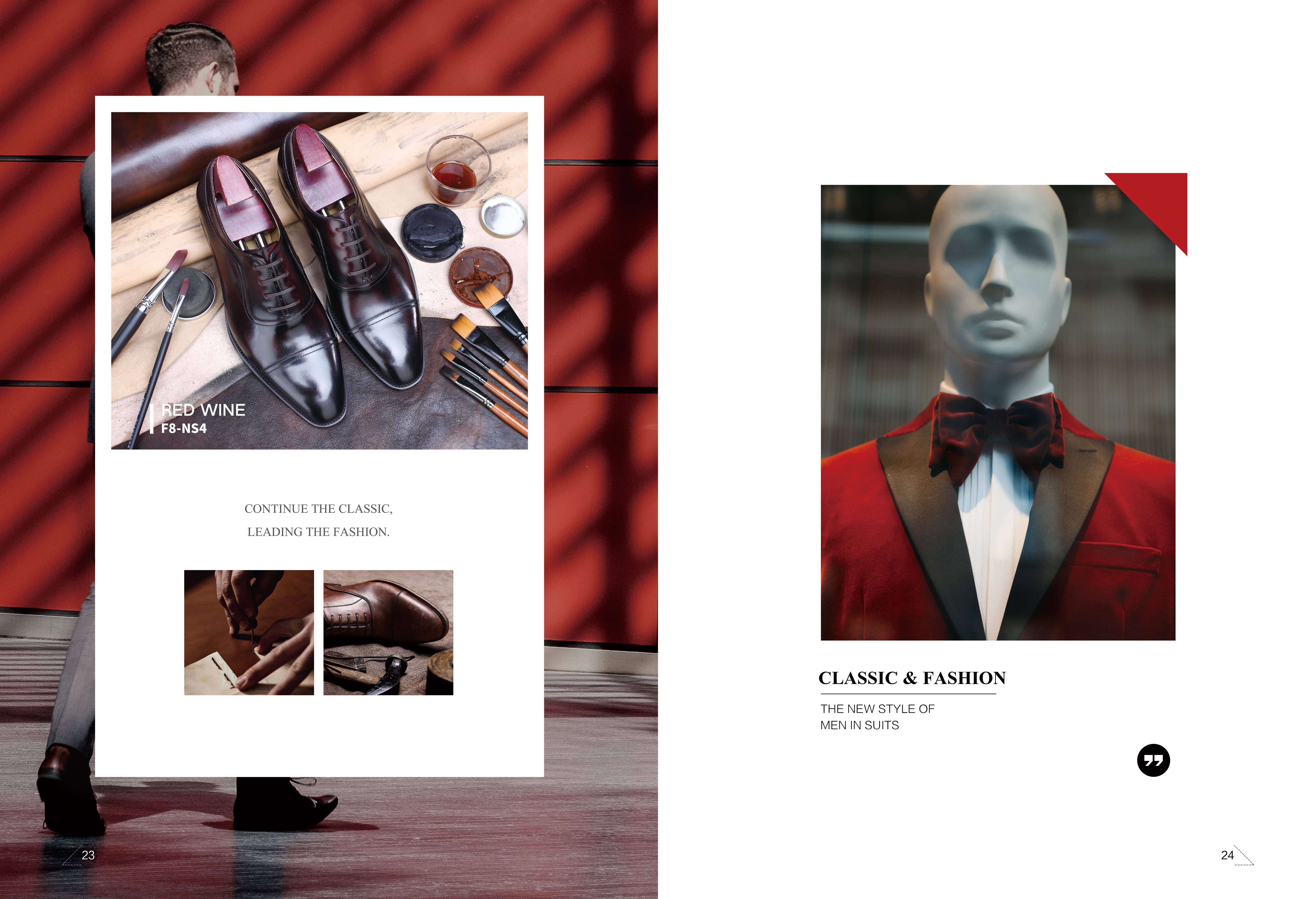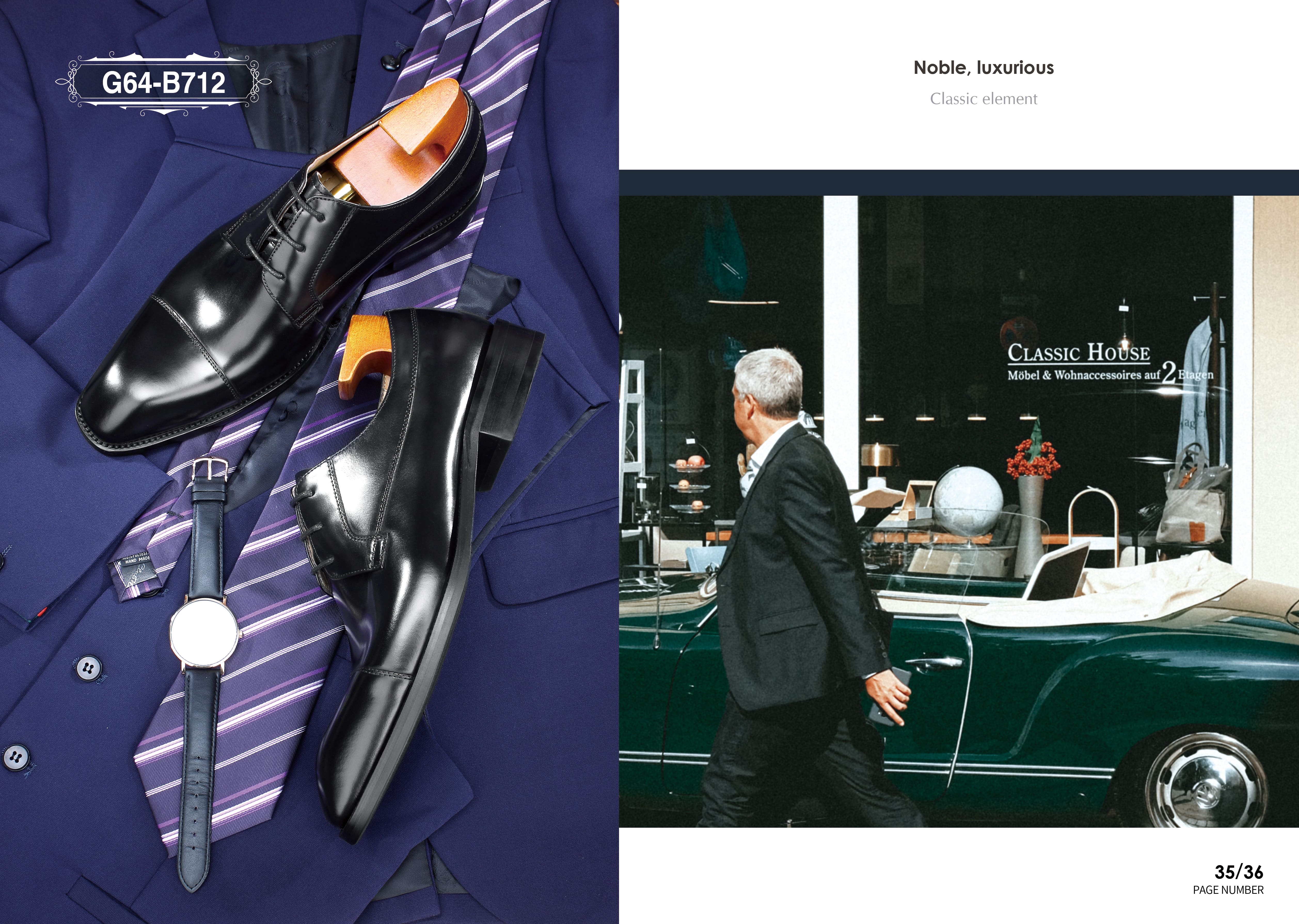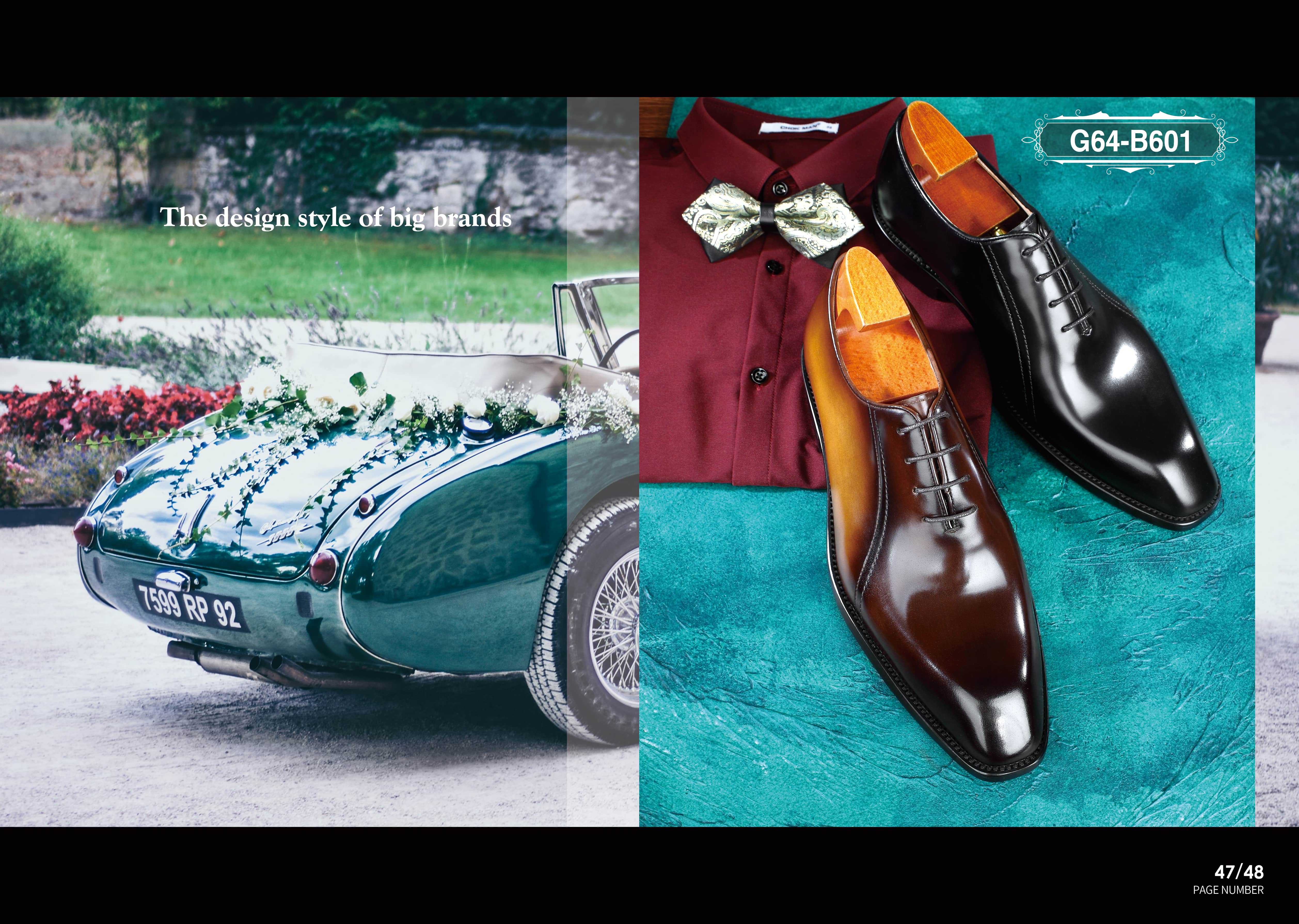





The Timeless Appeal of High-End Men Dress Shoes Handmade: A Guide to Craftsmanship and Style
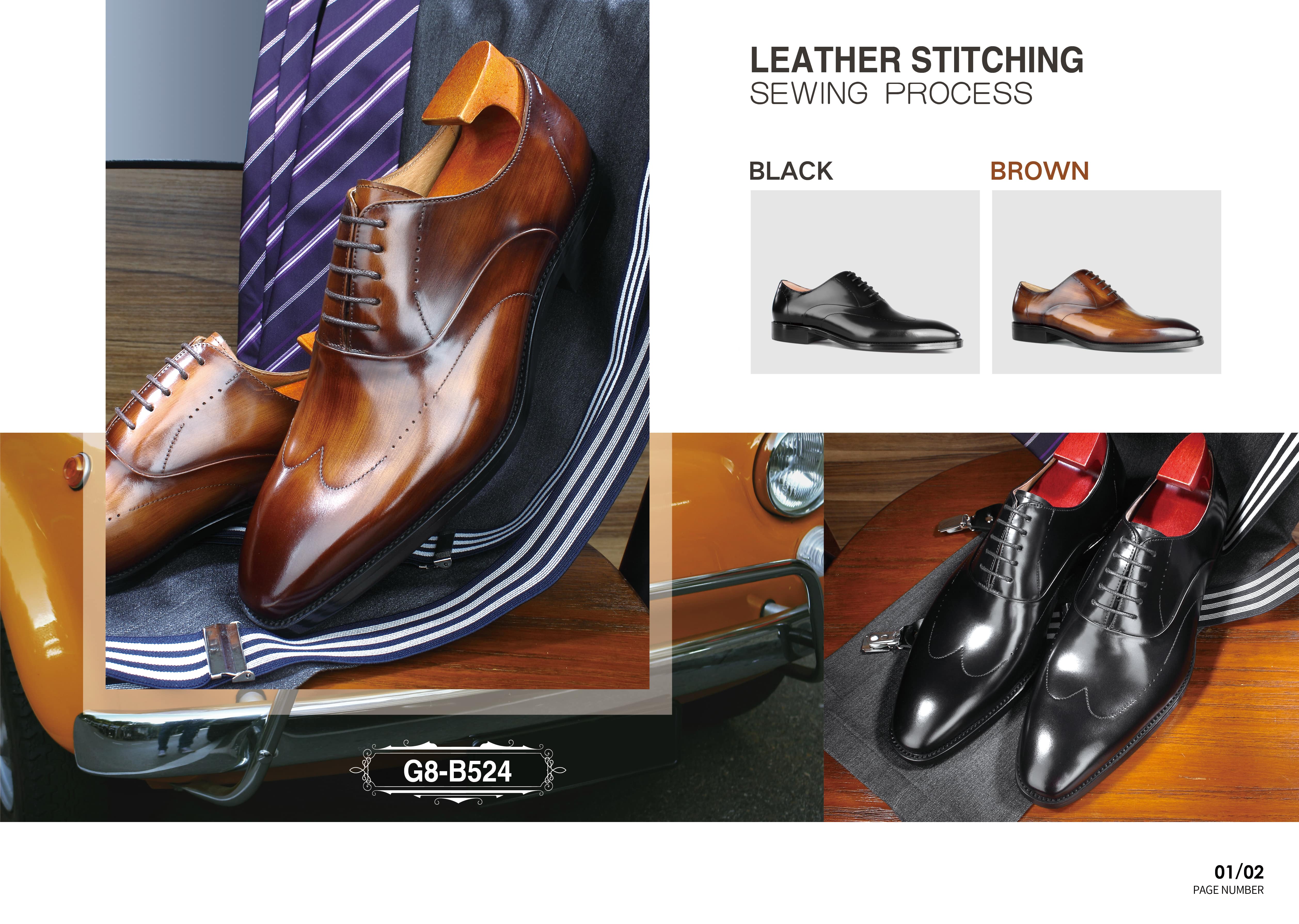
Introduction to High-End Men Dress Shoes Handmade
High-end men dress shoes handmade represent the pinnacle of footwear craftsmanship. Unlike mass-produced alternatives, these shoes are meticulously crafted by skilled artisans, often using traditional techniques passed down through generations. Each pair is a testament to patience, precision, and a deep appreciation for quality. Whether you're attending a formal event or seeking everyday elegance, investing in handmade dress shoes elevates your style and offers unparalleled comfort and durability.
The Art of Handmade Shoemaking
The process of creating high-end men dress shoes handmade begins with selecting the finest materials. Full-grain leather, sourced from reputable tanneries, is preferred for its grain, strength, and ability to develop a beautiful patina over time. The shoemaker then cuts the leather by hand, ensuring each piece matches the shoe's design. Next, the lasting process shapes the upper over a wooden last, which mirrors the contours of the foot. Goodyear welt construction is a hallmark of quality, where a strip of leather (the welt) is sewn to the upper and the sole, allowing for easy resoling and exceptional durability. The stitching, often done by hand, requires immense skill to maintain tension and precision. Finally, the sole is attached, and the shoe is polished to perfection. This entire process can take weeks, reflecting the dedication involved.
Why Choose Handmade Over Factory-Made?
Handmade dress shoes offer distinct advantages over factory-made counterparts. First, the fit is superior. Because the shoe is built around a last that matches the foot's shape, and because the materials can be stretched and molded by hand, the shoe conforms to your foot over time, providing custom-like comfort. Second, materials are of higher quality. Artisans select only the best hides, linings, and soles, avoiding the synthetic fillers and glued constructions common in cheaper shoes. Third, durability is unmatched. A well-made pair can last decades with proper care, with the ability to resole multiple times. In contrast, factory shoes often have cemented soles that cannot be replaced. Finally, the aesthetic appeal is unique. Each pair has slight variations that tell a story of human touch, making your shoes one-of-a-kind.
Key Styles of High-End Handmade Dress Shoes
There are several classic styles in high-end men dress shoes handmade. The Oxford is the most formal, featuring a closed lacing system where the eyelet flaps are sewn under the vamp. It's ideal for black-tie events and business attire. The Derby has an open lacing system, making it slightly less formal but more comfortable for wider feet. The Monk Strap uses a buckle instead of laces, offering a distinctive look that works well with suits. The Loafer is a slip-on style, perfect for casual or business casual settings. The Wholecut is made from a single piece of leather, showcasing the leather's natural beauty and requiring exceptional skill to craft. Each style has its place in a gentleman's wardrobe.
How to Identify Authentic Handmade Quality
To ensure you're investing in true high-end men dress shoes handmade, look for these signs: 1. Leather sole with visible stitching, often with a channel to protect the stitches. 2. Goodyear welt or other stitch-down construction; you should see a visible welt along the edge. 3. Full-grain leather that feels supple and shows natural imperfections. 4. Hand-stitching in visible areas like the heel or apron; machine stitching is perfectly straight, while hand-stitching has slight irregularities. 5. Wooden shank for arch support. 6. Cork or leather filler between insole and outsole. 7. Brand reputation – established makers like John Lobb, Gaziano & Girling, Edward Green, or Saint Crispin's are renowned for handmade excellence.
Caring for Your Handmade Dress Shoes
Proper maintenance extends the life of your handmade dress shoes. Use shoe trees (cedar is best) after each wear to absorb moisture and maintain shape. Rotate your shoes – never wear the same pair two days in a row; allow at least 24 hours for the leather to rest. Clean and condition regularly with high-quality creams and waxes. Avoid over-polishing, which can dry out the leather. Protect against wet weather with a waterproof spray (but test first). If the soles wear down, take them to a skilled cobbler for resoling. With care, your shoes will develop a rich patina and provide years of service.
Investing in the Best: A Worthwhile Purchase
High-end men dress shoes handmade are an investment. Prices typically start around $600 and can exceed $2000 for bespoke models. However, when you consider the cost per wear over decades, handmade shoes often prove more economical than buying multiple pairs of cheaper shoes. They also enhance your appearance at important events, boost confidence, and can even be passed down as heirlooms. In a world of fast fashion, handmade shoes represent a commitment to quality and sustainability.
常见问题
Are handmade shoes always better than machine-made?Generally, yes. Handmade shoes offer superior fit, materials, and durability due to the attention to detail. However, some machine-made shoes (e.g., from high-end factories) can also be excellent if they use good materials and construction. Handmade often provides a more personalized touch.
How do I find the right size in handmade shoes?It's best to get measured by a professional. Brands often have different lasts; try on multiple sizes. Leather will stretch slightly, but you should aim for a snug fit without pinching. Consider visiting a specialty store or ordering from brands with good return policies.
Can I wear handmade dress shoes casually?Yes, styles like loafers, derbies, or even oxfords with casual trousers can work. The key is to choose more relaxed materials (like suede) and pair with jeans or chinos. Avoid overly formal oxfords with jeans unless it's a deliberate fashion choice.
How often should I resole my handmade shoes?It depends on wear frequency. For weekly use, resoling might be needed every 1-2 years. Signs include a smooth sole with no visible tread. A good cobbler can replace the sole, preserving the upper. Always use a cobbler experienced with high-end shoes.
What is the difference between bespoke and made-to-order?Bespoke involves creating a unique last from your foot measurements, offering the best fit. Made-to-order uses an existing last but allows customization of leather, color, and details. Bespoke is more expensive (starting around $2000) and takes longer.