




The Unseen Advantages: Why Leather Lining is a Game-Changer for Your Wardrobe
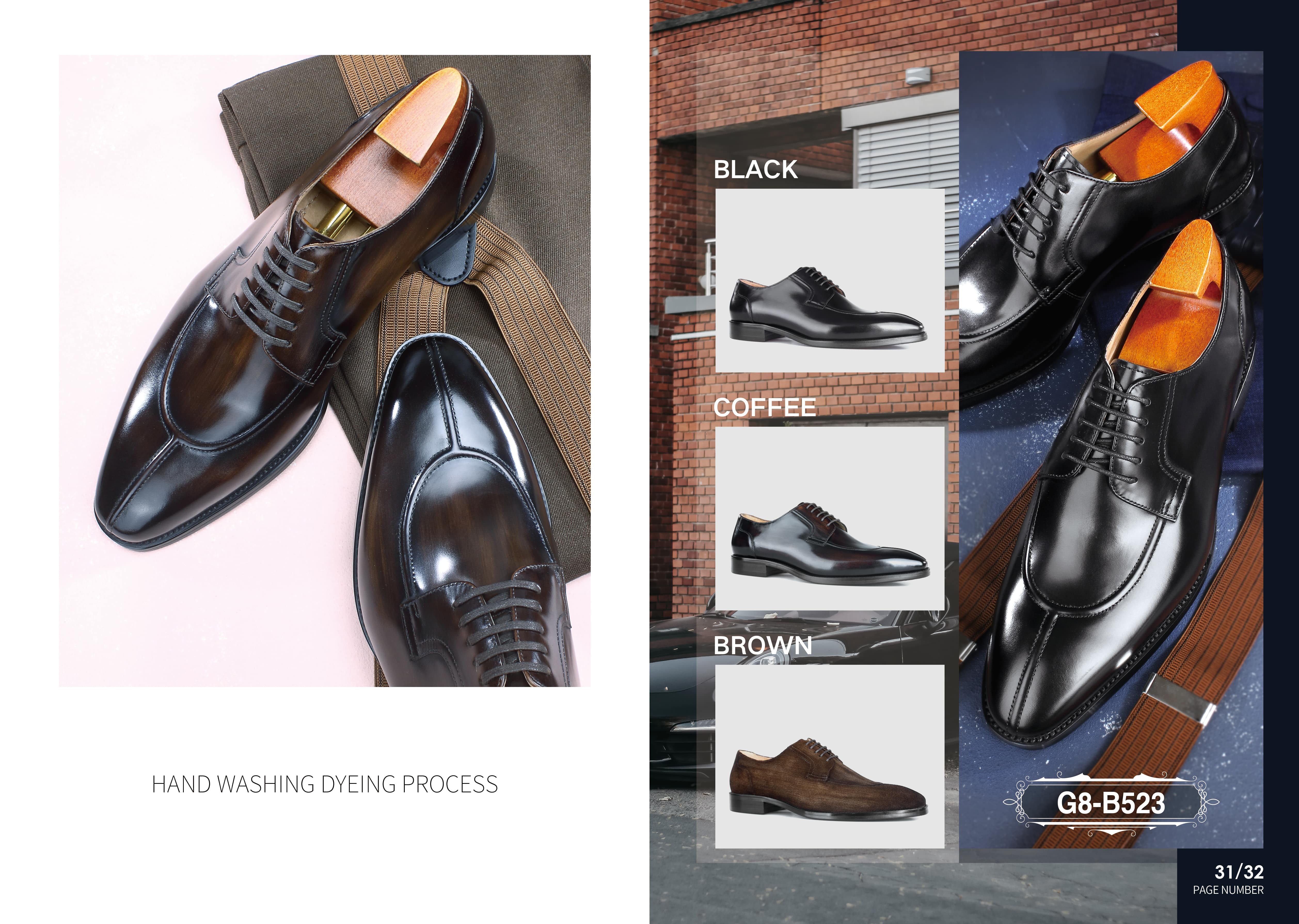
Enhanced Durability and Longevity
One of the primary benefits of leather lining is its exceptional durability. Unlike synthetic materials that can tear or wear out quickly, leather is a natural, resilient material that withstands daily use and stress. For example, in high-quality jackets or bags, a leather lining reinforces the structure, preventing sagging and extending the item's lifespan. This durability means fewer replacements over time, making it a cost-effective choice in the long run. Additionally, leather's resistance to abrasion ensures that the lining remains intact, even with frequent friction, such as in shoes or gloves.
Superior Comfort and Breathability
Leather lining significantly improves comfort by offering better breathability compared to many synthetic alternatives. Natural leather fibers allow air to circulate, reducing sweat and moisture buildup, which is especially beneficial in footwear and outerwear. This breathability helps regulate temperature, keeping you cool in summer and warm in winter. Moreover, leather softens with use, conforming to your body's shape for a personalized fit. In items like gloves or hats, this adaptability enhances comfort without compromising on style, making leather-lined products a pleasure to wear daily.
Excellent Moisture Management and Insulation
Another key advantage is leather's ability to manage moisture effectively. Leather lining can absorb and release moisture slowly, preventing dampness that can lead to discomfort or damage. In rainy conditions, this property helps protect the outer material from water seepage, maintaining the item's integrity. Furthermore, leather provides natural insulation, trapping heat in cold weather while allowing ventilation in warmer climates. This dual functionality makes it ideal for versatile garments, such as coats or boots, ensuring comfort across different seasons and environments.
Aesthetic Appeal and Timeless Style
Beyond practical benefits, leather lining adds a touch of luxury and sophistication to any item. Its smooth texture and rich appearance elevate the overall look, making products feel more premium. For instance, in handbags or wallets, a leather-lined interior not only looks elegant but also signals quality craftsmanship. This aesthetic appeal can enhance your personal style, as leather ages gracefully, developing a unique patina over time. Choosing leather-lined items often reflects a preference for timeless design over fleeting trends, investing in pieces that remain stylish for years.
Environmental and Health Considerations
Leather lining can also be a more sustainable and healthier option when sourced responsibly. High-quality leather is biodegradable and long-lasting, reducing waste compared to disposable synthetic linings. It's free from harmful chemicals often found in plastics, minimizing skin irritation and allergies. By opting for ethically produced leather, you support eco-friendly practices and animal welfare standards. This makes leather lining a conscientious choice for those prioritizing both personal well-being and environmental impact.
Common Questions
Is leather lining worth the extra cost?Yes, leather lining is often worth the investment due to its durability, comfort, and longevity. While it may have a higher upfront cost, it reduces the need for frequent replacements, saving money over time and offering better performance in terms of breathability and moisture management.
How do I care for leather-lined items?To maintain leather lining, avoid excessive moisture and clean with a damp cloth and mild soap. Regular conditioning with leather-specific products can prevent drying and cracking. Store items in a cool, dry place away from direct sunlight to preserve their quality.
Can leather lining be repaired if damaged?Yes, minor damages like scratches or small tears can often be repaired by professionals using leather patches or dyes. For major issues, consulting a specialist is recommended to restore the lining effectively without compromising the item's structure.