




Spotting Quality Leather: A Comprehensive Guide to Identifying Genuine and Durable Materials
Understanding the Basics of Leather Quality
Leather is a versatile material prized for its durability, texture, and natural beauty, but not all leather is created equal. To spot quality leather, start by familiarizing yourself with the different types. Full-grain leather is the highest grade, made from the top layer of the hide and retaining its natural imperfections, which add character and strength. It ages beautifully, developing a rich patina over time. Top-grain leather is slightly sanded to remove blemishes, making it more uniform but less durable than full-grain. Genuine leather is a lower grade, often made from leftover layers, and may be treated with coatings that reduce breathability. By recognizing these distinctions, you can better assess the quality and longevity of leather goods.
Key Indicators of High-Quality Leather
When examining leather, several physical characteristics can reveal its quality. First, check the texture: high-quality leather should feel supple and slightly irregular, with natural grain patterns that vary across the surface. Synthetic materials often feel overly smooth or plastic-like. Smell is another telltale sign; genuine leather has a distinct, earthy aroma, while faux leather may emit chemical odors. Look closely at the edges: quality leather typically has raw, unfinished edges that show the layered structure, whereas cheap imitations might have painted or sealed edges to hide flaws. Additionally, test the flexibility by gently bending the material; it should crease naturally without cracking. These hands-on assessments are crucial for avoiding low-grade products.
Common Pitfalls and How to Avoid Them
Many consumers fall for misleading labels or marketing tactics when shopping for leather. Terms like bonded leather or PU leather often indicate synthetic blends that lack the durability of real leather. Bonded leather is made from shredded scraps bonded with adhesives, making it prone to peeling and wear. To avoid these pitfalls, always read product descriptions carefully and ask sellers for specifics on the leather type. Price can also be a clue; exceptionally low prices may signal inferior materials. Consider the intended use—for items like furniture or bags that endure heavy use, investing in full-grain or top-grain leather is wise. By staying informed, you can make purchases that offer better value and longevity.
Practical Tips for Spotting Quality in Different Products
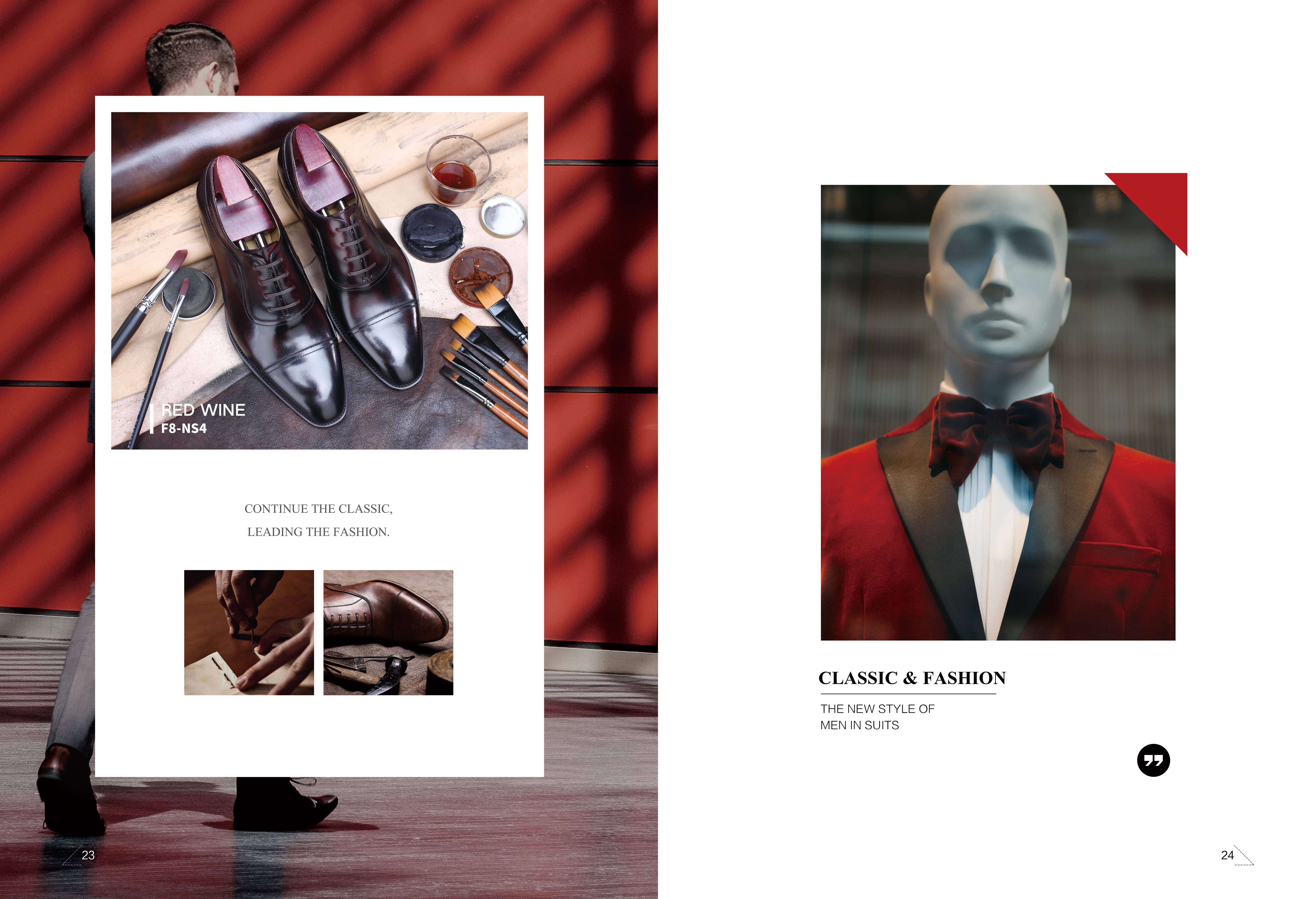
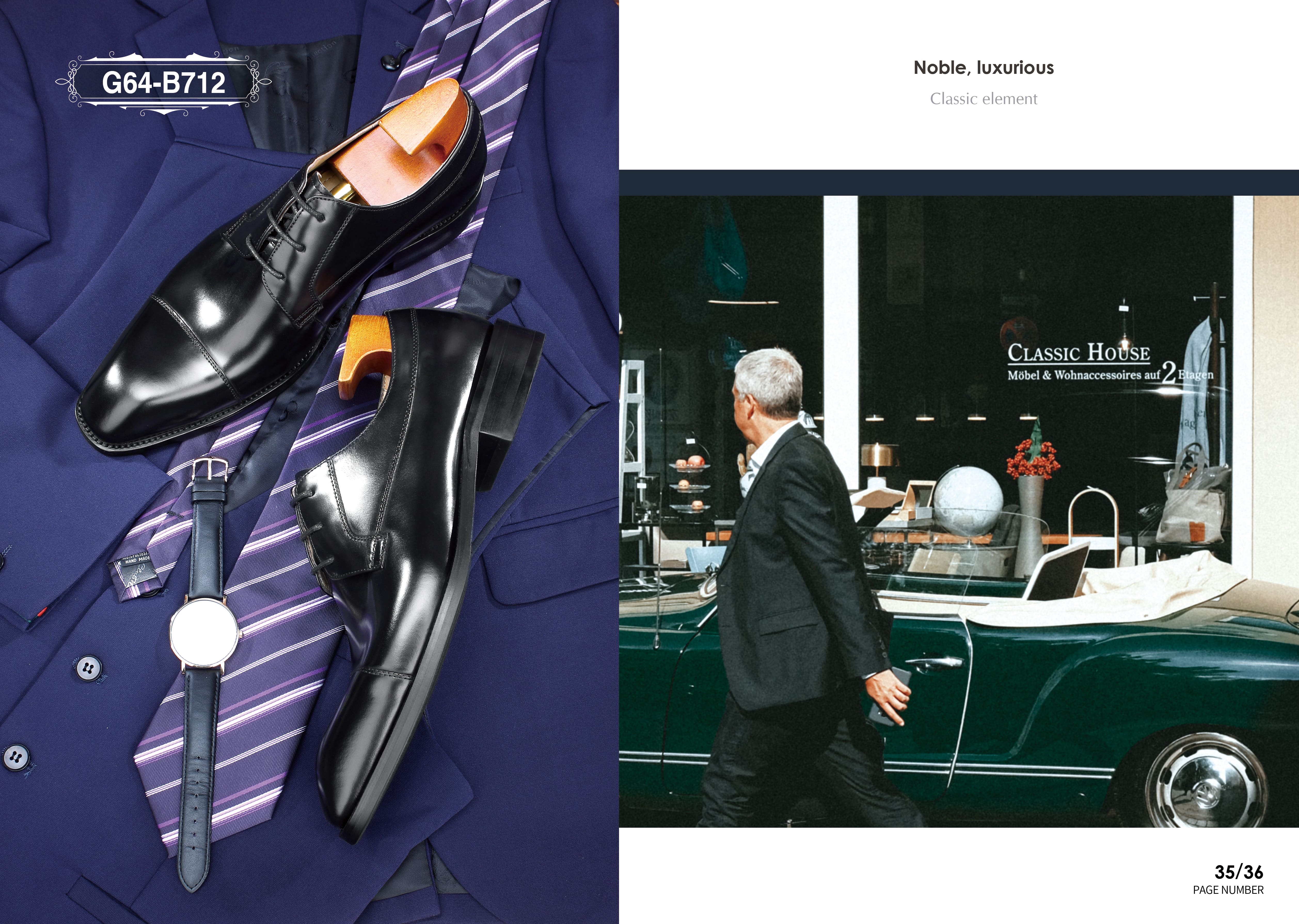
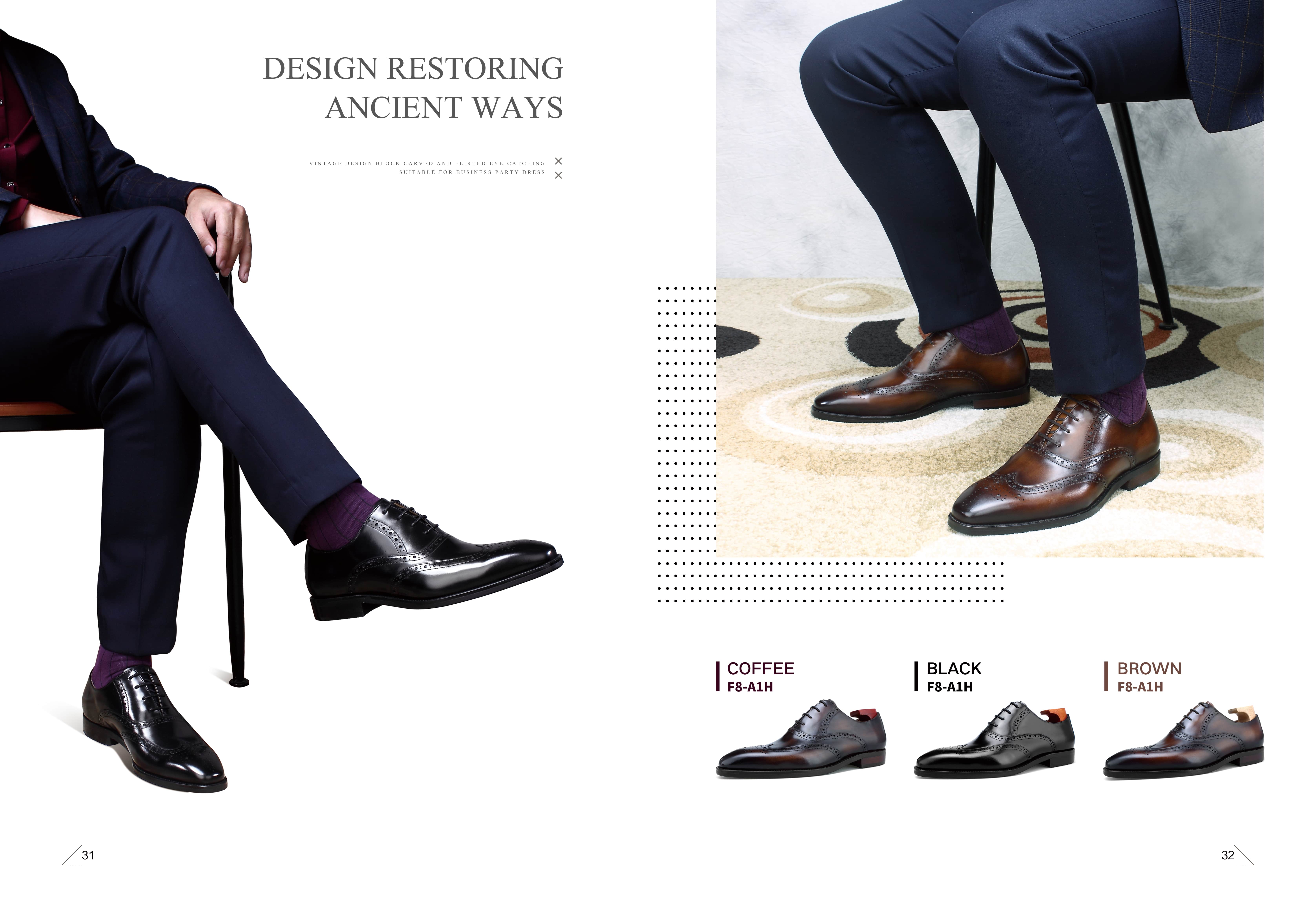
Applying these principles varies by product type. For leather jackets, inspect the stitching: high-quality items feature tight, even stitches that won't unravel easily. In footwear, check the sole attachment and inner lining for signs of craftsmanship. With furniture, examine the upholstery for consistent coloring and minimal seams, which indicate careful processing. Don't forget to consider the tanning process; vegetable-tanned leather is eco-friendly and develops a unique patina, while chrome-tanned leather is more water-resistant but may contain chemicals. By tailoring your inspection to the specific item, you can more accurately gauge its quality and suitability for your needs.
Frequently Asked Questions
How can I tell if leather is real or fake?
Real leather has natural imperfections, a distinct smell, and raw edges, while fake leather often feels uniform, smells like chemicals, and has sealed edges. Performing a bend test can also help; genuine leather creases softly, whereas synthetic materials may crack.
What is the difference between full-grain and top-grain leather?
Full-grain leather is the highest quality, made from the top layer of the hide with natural marks intact, making it very durable. Top-grain leather is sanded to remove imperfections, resulting in a smoother surface but slightly reduced strength.
Is expensive leather always better quality?
Not necessarily; price can reflect brand markup or design rather than material quality. Always assess the leather based on texture, smell, and construction rather than relying solely on cost.
How should I care for quality leather to maintain its appearance?
Regular cleaning with a damp cloth, conditioning with leather-specific products, and avoiding direct sunlight or moisture can prolong the life of leather items. Proper storage in a cool, dry place also helps prevent damage.