




The Essentials of a Quality Shoe: A Comprehensive Guide to Lasting Comfort and Durability
Understanding the Core Components of a Quality Shoe
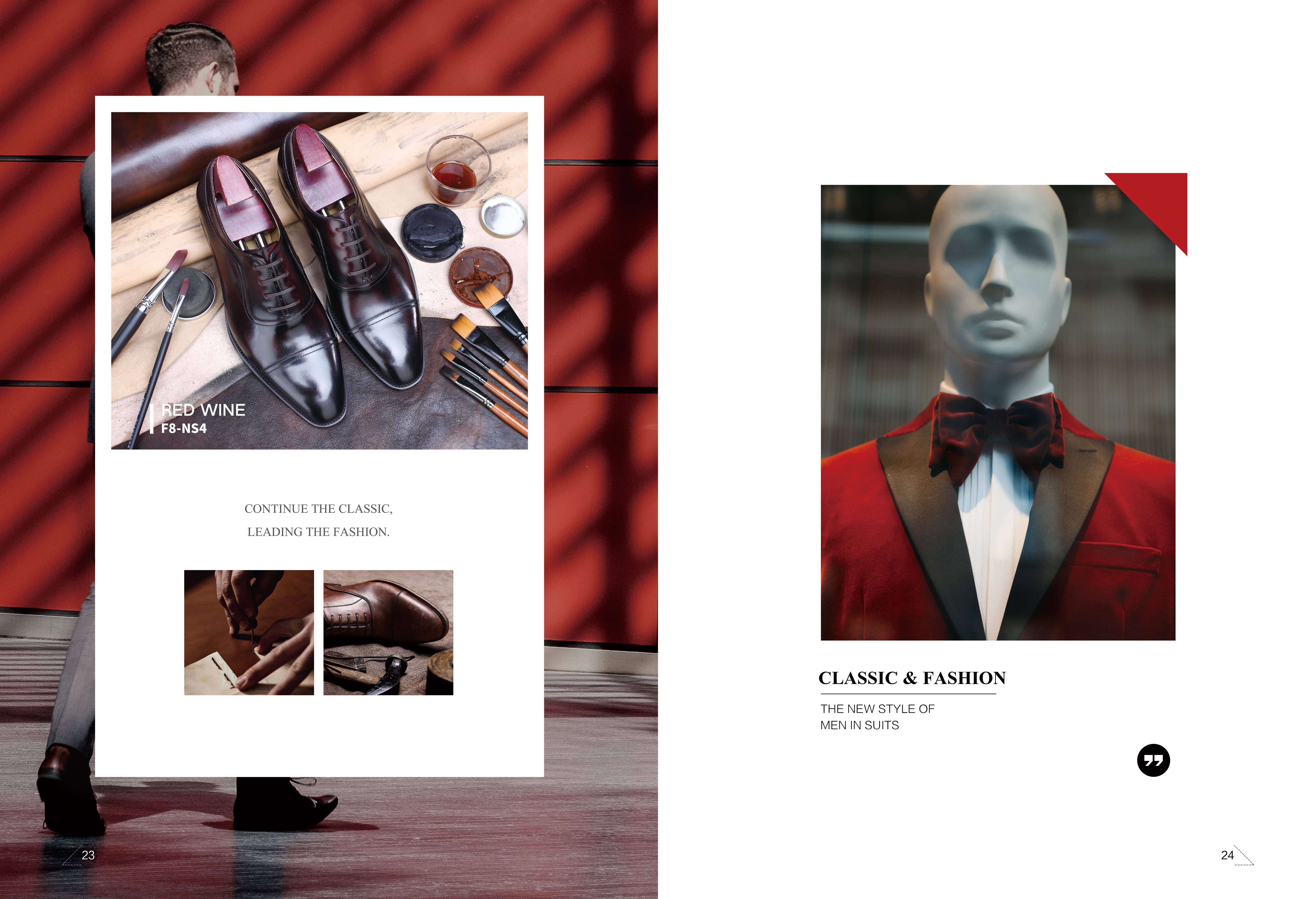
At the heart of any quality shoe lies its construction and materials. The upper, typically made from leather, synthetic fabrics, or mesh, should be durable yet breathable to prevent moisture buildup and discomfort. For instance, full-grain leather offers excellent longevity and molds to your foot over time, while modern synthetics provide lightweight flexibility. The midsole, often composed of EVA foam or polyurethane, is crucial for cushioning and shock absorption, reducing strain on joints during walking or running. The outsole, made from rubber or similar compounds, must offer reliable traction and wear resistance to ensure safety on various surfaces. A well-constructed shoe also features a supportive insole and a sturdy heel counter to maintain proper alignment and prevent injuries.
The Importance of Proper Fit and Comfort
No matter how high-quality the materials, a shoe that doesn't fit correctly can lead to blisters, pain, and long-term foot issues. When trying on shoes, ensure there's about a thumb's width of space between your longest toe and the shoe's end to allow for natural movement. The width should accommodate your foot without pinching, and the arch support should align with your foot's natural curve. Many experts recommend shopping for shoes in the afternoon when feet are slightly swollen from daily activities, as this mimics real-world conditions. Additionally, consider the shoe's intended use—athletic shoes often require more room for toe splay, while dress shoes might prioritize a snug fit. Remember, comfort is not just about initial feel; a quality shoe should remain comfortable throughout extended wear, thanks to features like padded collars and moisture-wicking linings.
Durability and Longevity: What Makes a Shoe Last
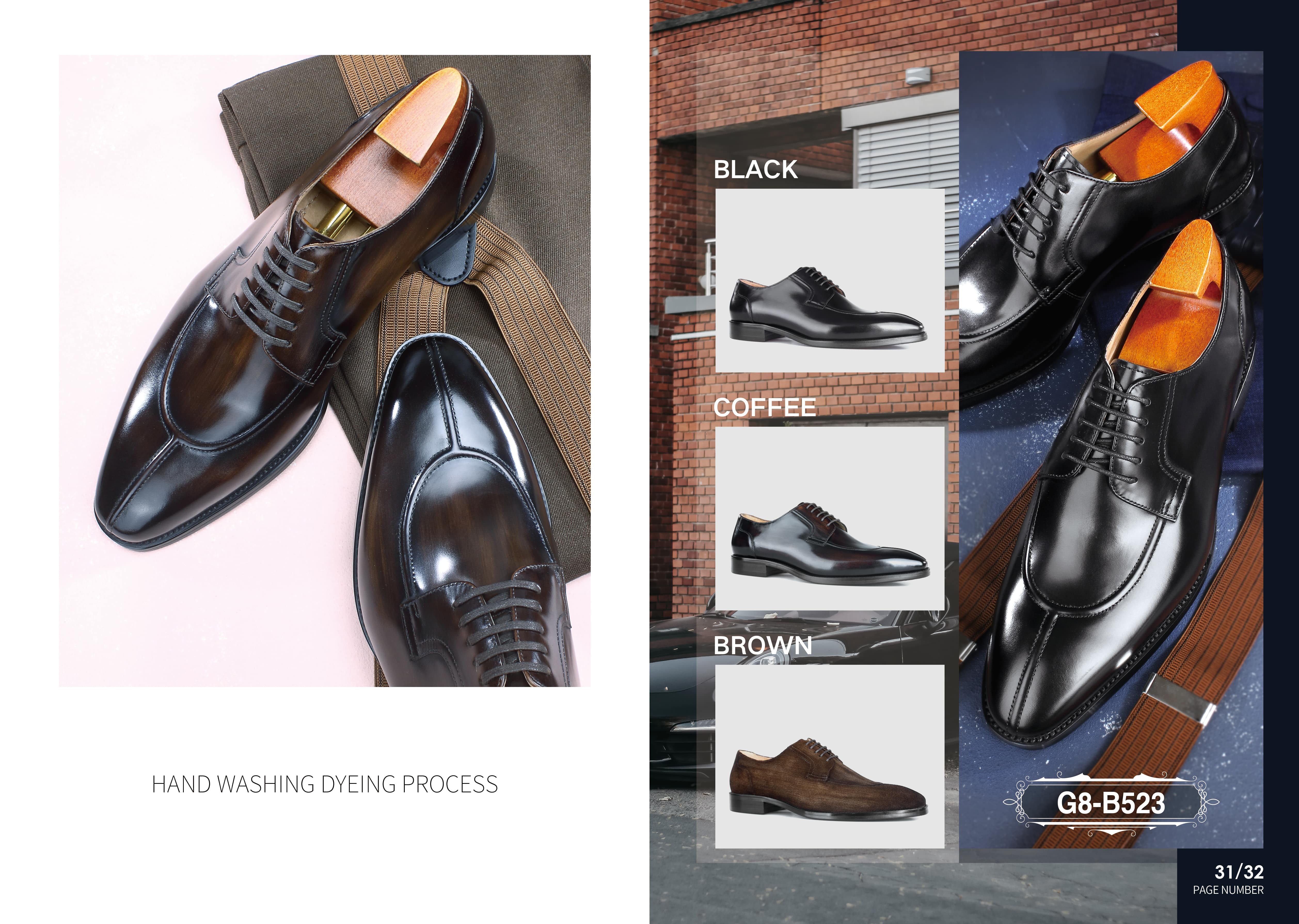
Investing in a durable shoe saves money and reduces waste in the long run. Key factors include reinforced stitching, such as Goodyear welting or Blake stitching, which allows for resoling and extends the shoe's life. The quality of adhesives and hardware, like eyelets and zippers, also plays a role; for example, brass eyelets resist corrosion better than plastic ones. Regular maintenance, such as cleaning and conditioning leather or replacing worn-out insoles, can significantly prolong a shoe's lifespan. In my experience, rotating between multiple pairs of shoes gives each one time to air out and recover its shape, preventing premature breakdown. Look for shoes with warranties or reputable brand histories, as these often indicate a commitment to lasting quality.
Balancing Style with Functionality
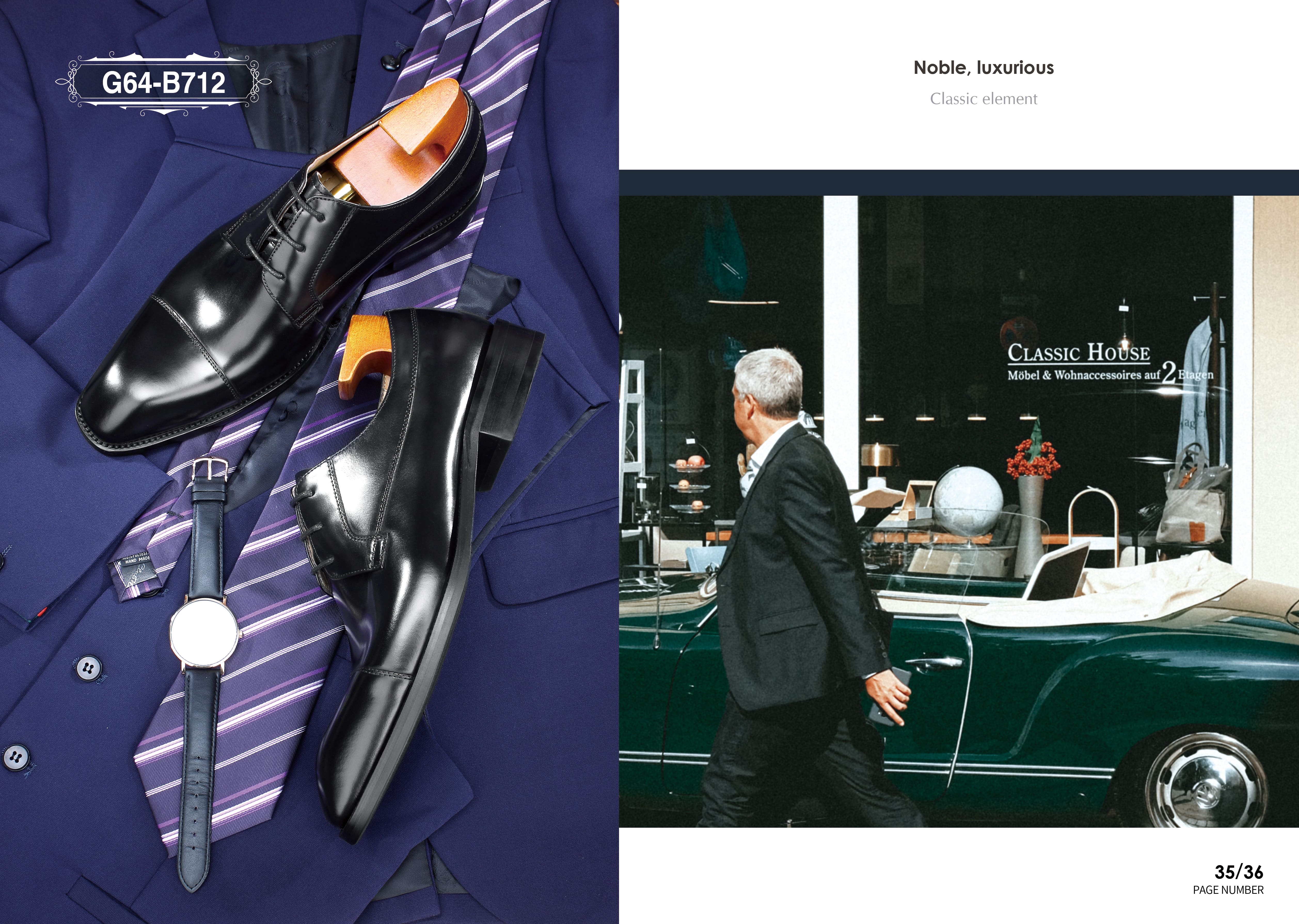
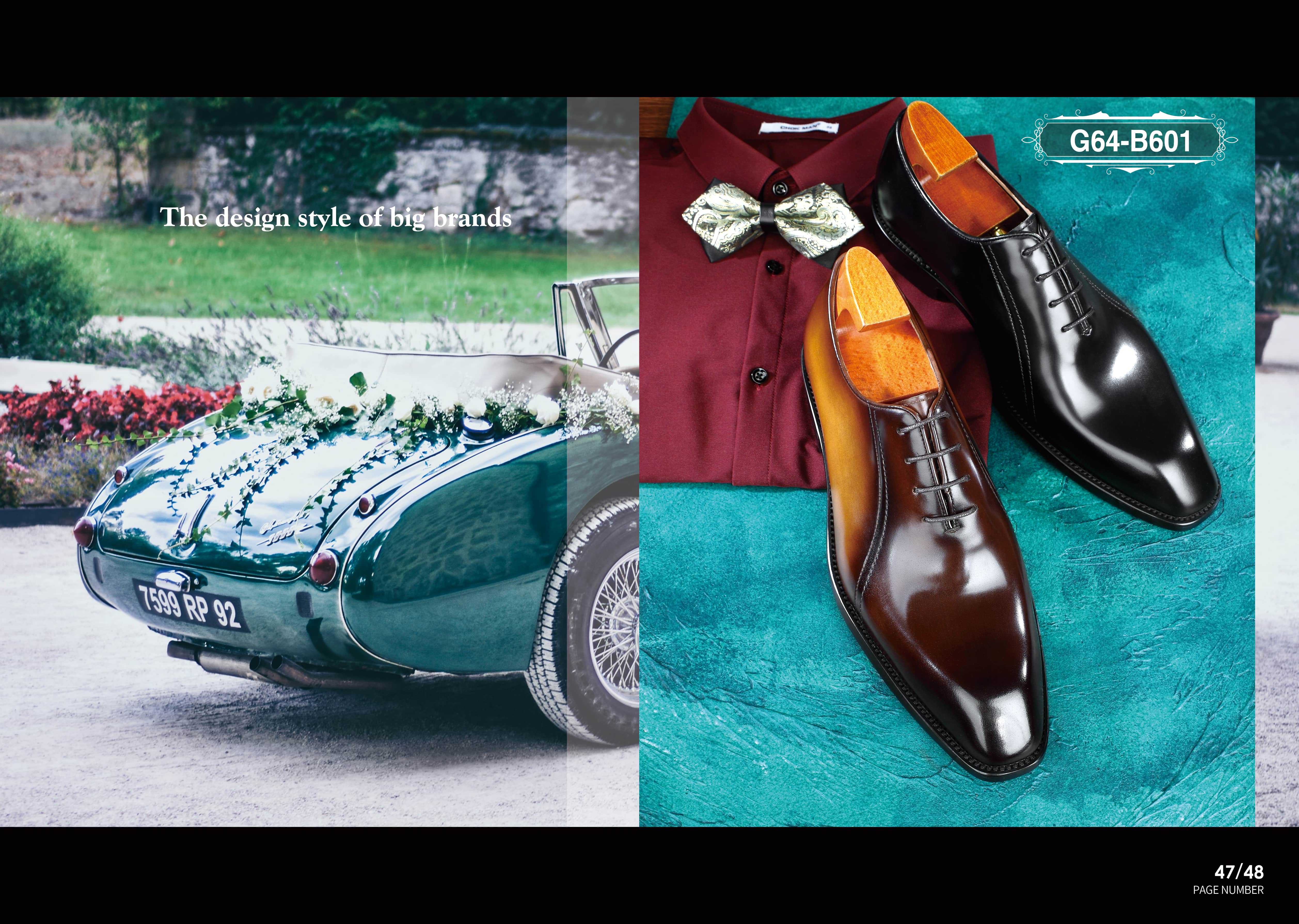
While aesthetics are important, a truly quality shoe seamlessly blends style with practical features. For casual wear, opt for versatile designs that pair well with different outfits while offering comfort, like loafers with cushioned soles. In professional settings, choose dress shoes that provide support without sacrificing elegance, such as oxfords with arch support. Athletic shoes should prioritize performance elements like breathable uppers and responsive midsoles, even if they come in trendy colors. Don't overlook details like non-slip outsoles for safety or water-resistant treatments for weather protection. By prioritizing both form and function, you can enjoy shoes that look great and feel even better.
Common Questions About Quality Shoes
How often should I replace my shoes?
It depends on usage and wear. Generally, athletic shoes last 300-500 miles or 6-12 months with regular use, while dress shoes can last years with proper care. Inspect for signs like worn-out soles, loss of cushioning, or visible damage to determine when to replace them.
What are the best materials for breathability?
Natural materials like leather and canvas offer good breathability, while modern synthetics like mesh and knit fabrics excel in moisture-wicking. For hot climates or active use, look for shoes with ventilation features or antimicrobial linings to keep feet dry and odor-free.
Can I improve the fit of an existing shoe?
Yes, using insoles or heel pads can enhance comfort and support. For minor tightness, shoe stretchers or wearing thick socks while breaking them in may help. However, if a shoe is fundamentally ill-fitting, it's better to invest in a new pair to avoid foot problems.