




Understanding Shoe Leather Types: A Comprehensive Guide to Choosing the Right Material for Your Footwear
Introduction to Shoe Leather Types
When it comes to footwear, the type of leather used is a critical factor that affects not only the appearance but also the longevity and comfort of your shoes. Leather has been a preferred material for centuries due to its natural properties, such as breathability, flexibility, and ability to mold to the foot over time. In this article, we will explore the various types of shoe leather, their characteristics, and how to choose the best one for your needs. Understanding these differences can help you invest in shoes that last longer and provide better value for your money.
Full-Grain Leather: The Premium Choice
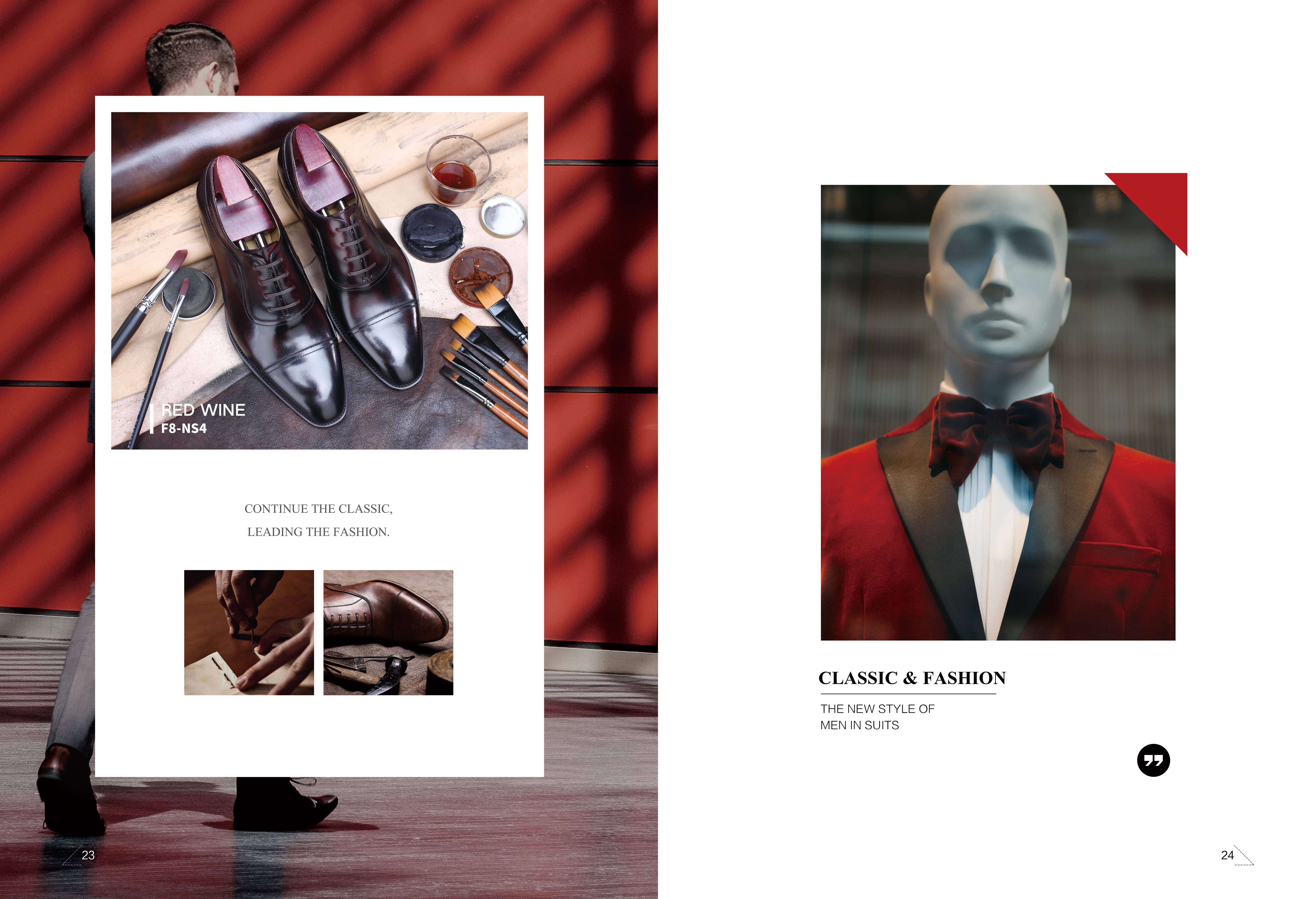
Full-grain leather is considered the highest quality leather available for shoes. It is made from the top layer of the hide, which retains the natural grain and imperfections, giving it a unique and durable texture. This type of leather is highly resistant to wear and tear, making it ideal for dress shoes, boots, and other footwear that requires a long lifespan. Over time, full-grain leather develops a rich patina, enhancing its aesthetic appeal. However, it can be more expensive and may require regular maintenance, such as conditioning, to keep it in top shape. For those seeking durability and a classic look, full-grain leather is often the best option.
Top-Grain Leather: A Balanced Alternative
Top-grain leather is another popular choice, made by sanding down the top layer of the hide to remove imperfections. This results in a smoother and more uniform surface compared to full-grain leather. While it may not be as durable as full-grain, top-grain leather is still highly resilient and often used in mid-range shoes, such as casual loafers or business attire footwear. It is generally more affordable and easier to care for, making it a practical choice for everyday wear. When selecting top-grain leather, look for shoes that have been treated with protective coatings to enhance water resistance and longevity.
Genuine Leather: Understanding the Basics
The term genuine leather can be misleading, as it refers to leather made from the lower layers of the hide after the top layers have been removed. While it is still real leather, it is typically less durable and of lower quality than full-grain or top-grain options. Genuine leather is commonly used in budget-friendly shoes and may require more frequent replacement. It can still provide decent comfort and style for casual use, but it is important to manage expectations regarding its lifespan. To ensure you are getting good value, check for reinforced stitching and proper construction when buying shoes made from genuine leather.
Suede and Nubuck: Soft and Textured Options
Suede and nubuck are two types of leather that offer a softer, more textured feel. Suede is made from the inner layer of the hide, giving it a fuzzy surface, while nubuck is created by sanding the outer layer to produce a velvety finish. Both materials are popular for casual and fashion-forward shoes, such as sneakers or boots, due to their unique appearance and comfort. However, they are more susceptible to stains and water damage, so they require careful maintenance, including regular brushing and the use of protective sprays. For those who prioritize style and a luxurious feel, suede and nubuck can be excellent choices, but be prepared for extra upkeep.
Synthetic Leather: A Modern Alternative
In recent years, synthetic leather, also known as faux leather or vegan leather, has gained popularity as an ethical and affordable alternative to traditional leather. Made from materials like polyurethane or PVC, synthetic leather can mimic the look and feel of real leather while being more resistant to water and easier to clean. It is often used in athletic shoes, casual footwear, and fashion items. While it may not offer the same breathability or durability as natural leather, advancements in technology have improved its quality. For environmentally conscious consumers or those with budget constraints, synthetic leather provides a viable option without compromising on style.
How to Choose the Right Leather for Your Shoes
Selecting the appropriate leather type depends on several factors, including your lifestyle, budget, and personal preferences. For formal occasions or long-term investment, opt for full-grain or top-grain leather due to their durability and classic appeal. If you need shoes for everyday casual wear, genuine leather or synthetic options might suffice, especially if cost is a concern. Consider the climate and maintenance requirements; for example, suede may not be ideal in rainy areas unless properly treated. Always try shoes on to ensure comfort, and read reviews to gauge quality. By understanding these leather types, you can make smarter purchases that align with your needs.
Common Questions
What is the difference between full-grain and top-grain leather?
Full-grain leather is made from the top layer of the hide and retains natural imperfections, making it more durable and developing a patina over time. Top-grain leather is sanded to remove imperfections, resulting in a smoother surface that is slightly less durable but often more affordable and easier to maintain.
How can I care for suede shoes to prevent damage?
To care for suede shoes, regularly brush them with a suede brush to remove dirt and restore the nap. Use a protective spray to guard against water and stains, and avoid wearing them in wet conditions. If they get wet, let them air dry naturally and then brush gently to reshape the surface.
Is synthetic leather a good choice for durability?
Synthetic leather can be durable, especially in terms of water resistance and ease of cleaning, but it generally does not last as long as high-quality natural leather like full-grain. It is a good option for budget-friendly or vegan footwear, but may show wear more quickly with heavy use.
Can genuine leather shoes be repaired if they get damaged?
Yes, genuine leather shoes can often be repaired by a cobbler, depending on the extent of the damage. Common repairs include resoling, stitching fixes, or conditioning to restore the leather. However, since genuine leather is less durable, it may not hold up as well to multiple repairs compared to higher-quality leathers.