




The Ultimate Fit Guide for Leather Shoes: How to Find Your Perfect Pair
Understanding Leather Shoe Sizing
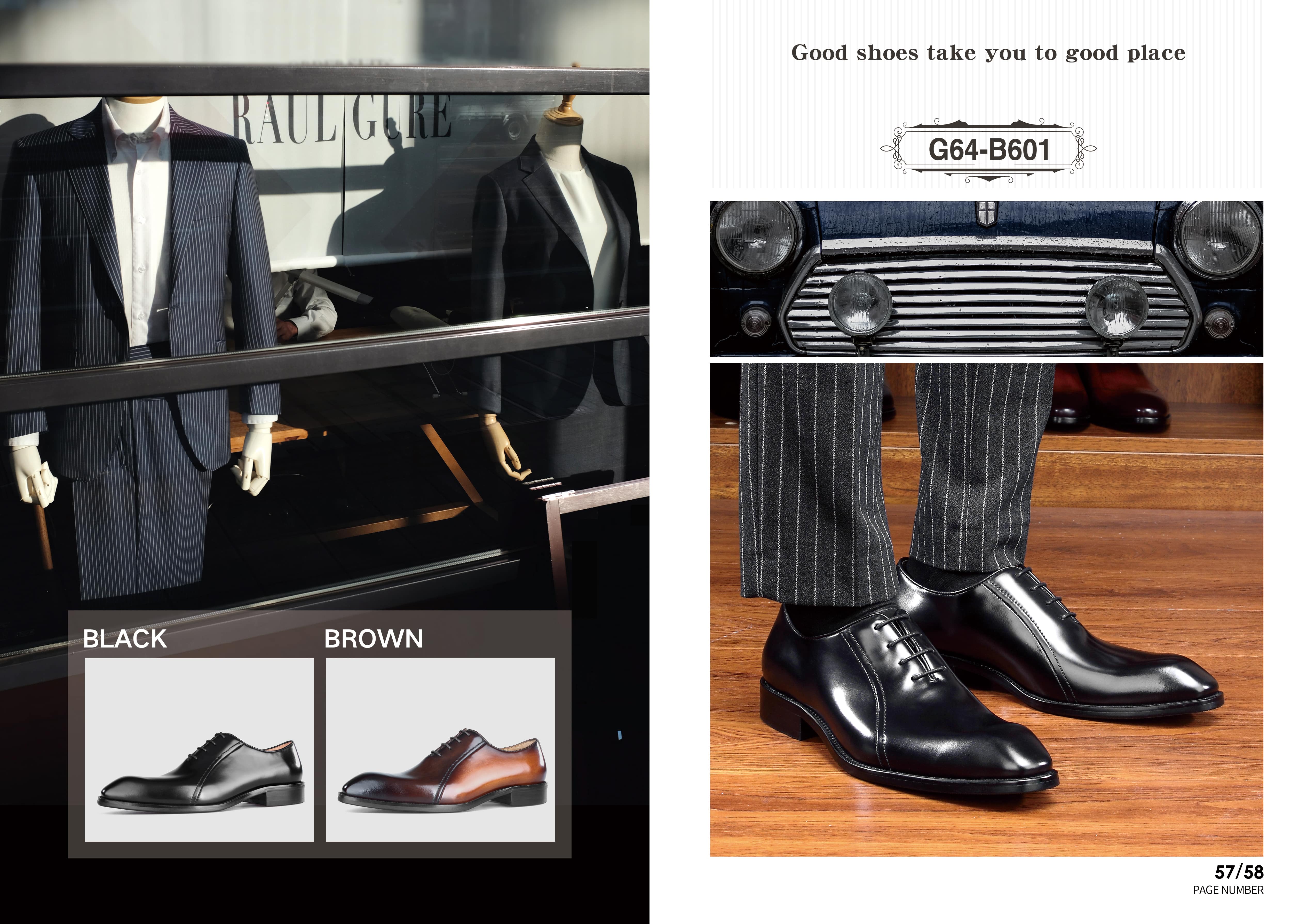
When it comes to leather shoes, sizing can be tricky due to variations between brands and styles. Unlike synthetic materials, leather has a unique ability to mold to your feet over time, but starting with the correct size is essential. Always measure your feet in the afternoon or evening, as they tend to swell throughout the day. Use a brannock device or a printable sizing chart for accuracy. Remember that leather shoes should fit snugly but not tightly, with about a half-inch of space between your longest toe and the shoe's end. Never assume your size is the same across all brands; always try on shoes or check size guides before purchasing.
Breaking In Your Leather Shoes
New leather shoes often feel stiff and uncomfortable initially, but with proper care, they'll become your most comfortable pair. Start by wearing them for short periods indoors to allow the leather to soften gradually. Use a shoe stretcher or wear thick socks to help expand tight areas. Applying a leather conditioner can also enhance flexibility. Patience is key during the break-in period, which typically lasts one to two weeks. Avoid wearing them for long walks or in wet conditions until they're fully broken in to prevent blisters and damage.
Common Fit Issues and Solutions
Even with careful sizing, you might encounter fit issues like heel slippage, pinching, or width problems. For heel slippage, try using heel grips or insoles to fill extra space. If the shoes pinch, consider using a leather stretching spray or taking them to a cobbler for professional adjustment. Width is often overlooked; if your feet are wide, look for brands that offer wide sizes or opt for styles with more generous cuts. Don't ignore persistent discomfort, as it can lead to foot problems over time. Regularly check for wear patterns on the soles, which can indicate improper fit.
Maintaining the Fit Over Time
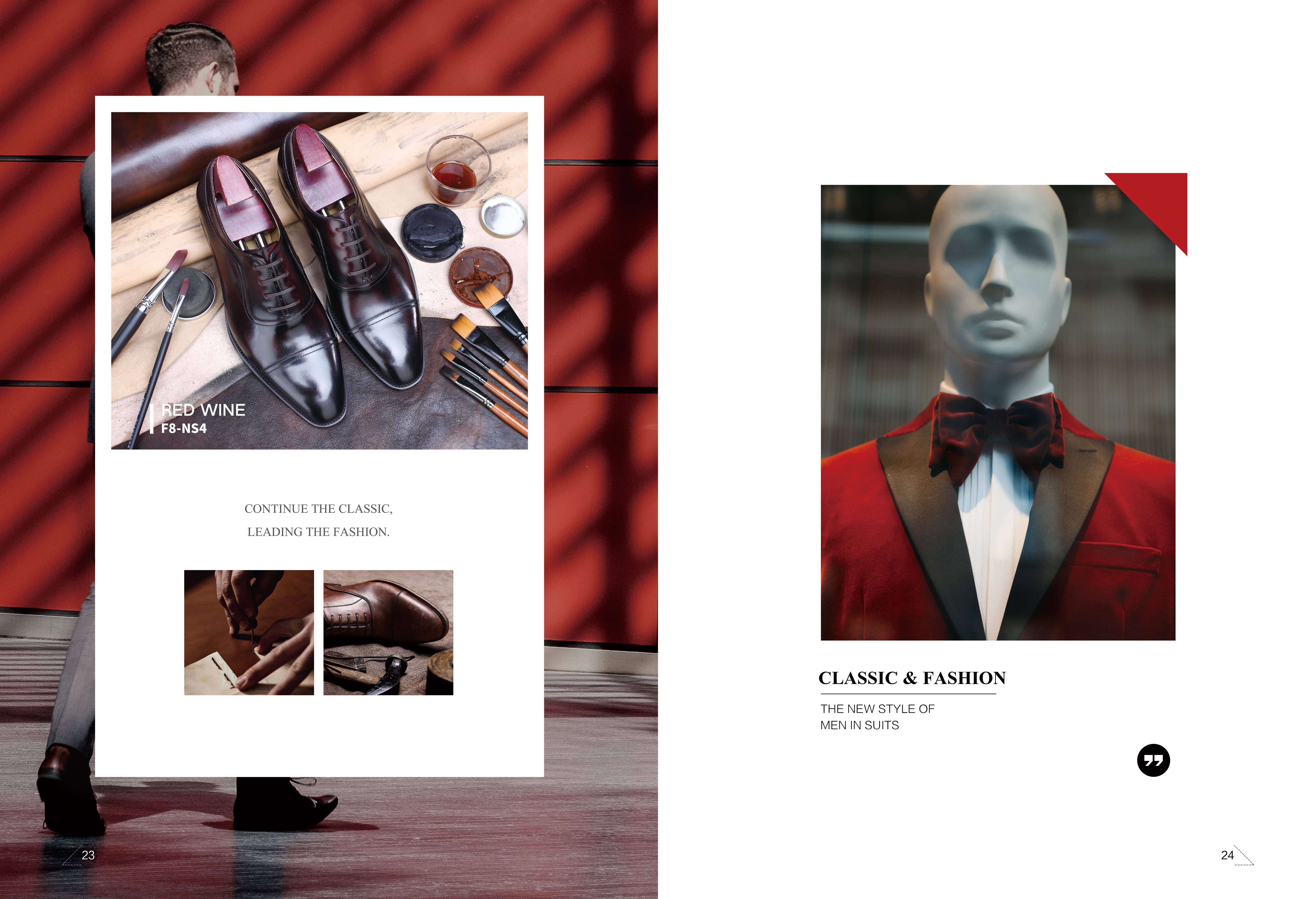
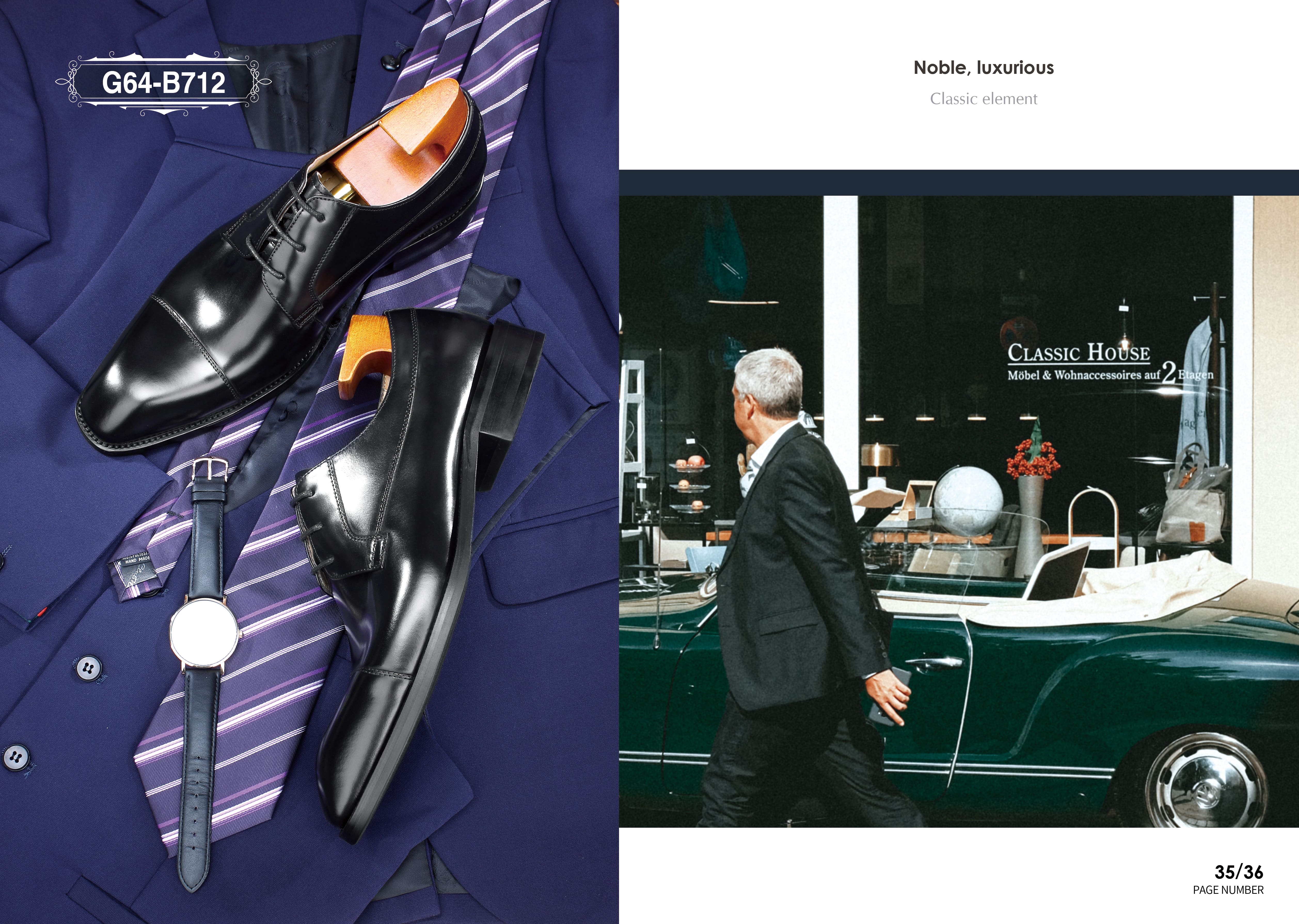
Leather shoes can change shape with wear, so maintaining their fit requires ongoing care. Use shoe trees when not wearing them to preserve their shape and absorb moisture. Rotate between multiple pairs to give each shoe time to rest and recover. Clean and condition the leather regularly to prevent cracking and maintain flexibility. Invest in quality repairs, such as resoling or re-heeling, to extend the life of your shoes and ensure they continue to fit well. Store them in a cool, dry place away from direct sunlight to prevent leather from drying out.
Frequently Asked Questions
How do I know if my leather shoes are too tight?
If you experience pain, numbness, or visible redness after wearing them for a short time, they're likely too tight. Leather should feel firm but not constricting; allow for a slight break-in period, but if discomfort persists, consider sizing up or using stretching methods.
Can leather shoes stretch over time?
Yes, leather naturally stretches and conforms to your feet with wear. However, the amount of stretch depends on the leather type and construction. Full-grain leather tends to stretch more than corrected grain, but it's best to buy shoes that fit well initially rather than relying on excessive stretching.
What should I do if my shoes are too loose?
For loose-fitting shoes, try adding insoles or heel pads to take up extra space. You can also use thicker socks or consult a cobbler for adjustments like adding padding or altering the fit. In some cases, it might be more cost-effective to replace them with a better-fitting pair.